BVB CAPITAL PRIVATE LIMITED

AMFI-registered Mutual Fund Distributor

ARN: 348338

Category: Mutual Funds

Learn about mutual funds, SIPs, SWPs, lump sum investing, STP, portfolio management and long-term investing. Simple and practical guidance to help investors understand mutual funds and make informed investment decisions.

  • മ്യൂച്വൽ ഫണ്ട് നിക്ഷേപം പേടിയാണോ? ₹500 SIP മുതൽ എങ്ങനെ തുടങ്ങാം?

    മ്യൂച്വൽ ഫണ്ട് നിക്ഷേപം പേടിയാണോ? ₹500 SIP മുതൽ എങ്ങനെ തുടങ്ങാം?

    “Market ഇടിഞ്ഞാൽ എന്റെ പണം നഷ്ടപ്പെടുമോ?”

    “Mutual Fund കമ്പനി എന്തെങ്കിലും പ്രശ്നത്തിൽപ്പെട്ടാൽ എന്റെ പണത്തിന് എന്ത് സംഭവിക്കും?”

    “വലിയ തുക ഇല്ലെങ്കിൽ നിക്ഷേപം തുടങ്ങുന്നതിൽ കാര്യമുണ്ടോ?”

    Mutual Fund-ൽ ആദ്യമായി നിക്ഷേപിക്കാൻ ആലോചിക്കുന്ന പലരുടെയും സംശയങ്ങളാണിവ.

    ഇവിടെ പ്രധാനപ്പെട്ട കാര്യം പേടി പൂർണ്ണമായി ഇല്ലാതാക്കുക എന്നതല്ല. പകരം, Mutual Fund എങ്ങനെ പ്രവർത്തിക്കുന്നു, market risk എന്താണ്, പണം എങ്ങനെ നിക്ഷേപിക്കപ്പെടുന്നു, എത്ര തുകയിൽ തുടങ്ങാം എന്നിവ മനസ്സിലാക്കി വിവരമുള്ള ഒരു തുടക്കം എടുക്കുക എന്നതാണ്.

    അതിനായി വലിയ തുക കാത്തിരിക്കേണ്ടതില്ല. നിങ്ങളുടെ സാമ്പത്തിക സാഹചര്യത്തിന് അനുയോജ്യമായ ചെറിയ തുകയിലൂടെ SIP ആരംഭിച്ച്, പിന്നീട് വരുമാനത്തിനനുസരിച്ച് നിക്ഷേപം കൂട്ടുന്ന രീതിയാണ് പരിഗണിക്കാവുന്നത്.

    🎥 ഈ വിഷയം വീഡിയോയായി കാണാം

    വീഡിയോയിൽ പറയുന്ന പ്രധാന ആശയങ്ങൾക്കൊപ്പം, ഈ ലേഖനത്തിൽ SIP എങ്ങനെ തുടങ്ങാം, Step-Up SIP എന്താണ്, payment സുരക്ഷിതമായി എങ്ങനെ നടത്താം തുടങ്ങിയ കാര്യങ്ങൾ കുറച്ചുകൂടി വിശദമായി നോക്കാം.


    ₹500 കൊണ്ട് SIP തുടങ്ങാമോ?

    തുടങ്ങാൻ സാധിക്കുന്ന തുക നിങ്ങളുടെ തിരഞ്ഞെടുക്കുന്ന scheme-ന്റെ applicable minimum investment അനുസരിച്ചായിരിക്കും. ₹500 SIP ലഭ്യമായ schemes ഉണ്ടെങ്കിലും, ₹500 എല്ലാവരുടെയും financial goal-ന് മതിയാകും എന്ന് പറയാനാവില്ല.

    ഇവിടെയാണ് ഒരു ചെറിയ വ്യത്യാസം മനസ്സിലാക്കേണ്ടത്.

    “എത്ര കുറഞ്ഞ തുകയിൽ തുടങ്ങാം?” എന്നത് ഒരു ചോദ്യം.

    “എന്റെ ലക്ഷ്യത്തിന് എത്ര നിക്ഷേപിക്കണം?” എന്നത് മറ്റൊരു ചോദ്യം.

    ആദ്യത്തേതിന് ₹500 പോലുള്ള ചെറിയ SIP ഒരു തുടക്കമാകാം. രണ്ടാമത്തേതിന് നിങ്ങളുടെ goal, time horizon, income, expenses, risk profile എന്നിവ കൂടി നോക്കണം.

    അതുകൊണ്ട് “വലിയ തുക കിട്ടിയാൽ തുടങ്ങാം” എന്ന് കാത്തിരിക്കേണ്ടതില്ല. കഴിയുന്ന തുകയിൽ തുടക്കം കുറിച്ച് പിന്നീട് സ്ഥിതി മെച്ചപ്പെടുമ്പോൾ SIP കൂട്ടുന്നത് ഒരു practical approach ആയേക്കാം.

    BVB Capital-ന്റെ നിലവിലുള്ള investor education content-ലും ₹500 SIP ഒരു തുടക്കമായി പരിഗണിക്കാമെന്ന് വ്യക്തമാക്കുന്നുണ്ട്. എന്നാൽ amount മാത്രം നോക്കാതെ goal-നനുസരിച്ചുള്ള planning ആണ് പ്രധാനപ്പെട്ടത്.


    ചെറിയ തുകയിൽ തുടങ്ങുന്നത് പേടി കുറയ്ക്കാൻ എങ്ങനെ സഹായിക്കും?

    ആദ്യമായി ₹5,000 അല്ലെങ്കിൽ ₹10,000 പോലുള്ള വലിയ തുക നിക്ഷേപിക്കുമ്പോൾ market movement ഓരോ ദിവസവും ശ്രദ്ധിക്കാൻ തുടങ്ങാം.

    Market താഴ്ന്നാൽ:

    “എന്റെ പണം കുറയുകയാണല്ലോ?”

    എന്ന ചിന്ത വരാം.

    പകരം, നിങ്ങളുടെ സാമ്പത്തിക സാഹചര്യത്തിന് യോജിച്ച ചെറിയ തുകയിലൂടെ തുടങ്ങുമ്പോൾ market-ന്റെ സ്വഭാവം മനസ്സിലാക്കാൻ സമയം ലഭിക്കും.

    ഒരു കാര്യം മാത്രം ഓർക്കുക:

    SIP market risk ഇല്ലാതാക്കുന്നില്ല.

    Mutual Fund-ുകളുടെ value market conditions അനുസരിച്ച് ഉയരാനും താഴാനും കഴിയും. അതിനാൽ SIP എന്നത് risk-free investment അല്ല.

    പക്ഷേ, സ്ഥിരമായി നിക്ഷേപിക്കുന്ന രീതി investor-നെ discipline പാലിക്കാൻ സഹായിക്കാം. നിങ്ങളുടെ goal-നും time horizon-നും അനുയോജ്യമായ investment approach തിരഞ്ഞെടുക്കുന്നതാണ് ഇവിടെ പ്രധാനപ്പെട്ടത്.


    SIP എങ്ങനെ തുടങ്ങാം?

    SIP എന്നത് Systematic Investment Plan ആണ്. ഒരു നിശ്ചിത തുക നിശ്ചിത ഇടവേളകളിൽ, സാധാരണയായി മാസത്തിൽ ഒരിക്കൽ, Mutual Fund scheme-ൽ നിക്ഷേപിക്കുന്ന രീതിയാണിത്.

    തുടങ്ങുന്നതിന് മുമ്പ് ഈ കാര്യങ്ങൾ നോക്കാം:

    1. നിങ്ങളുടെ financial goal എന്താണ്?

    Retirement ആണോ?

    കുട്ടികളുടെ വിദ്യാഭ്യാസമാണോ?

    വീട് വാങ്ങാനുള്ള ലക്ഷ്യമാണോ?

    അല്ലെങ്കിൽ ദീർഘകാല wealth creation ആണോ?

    Goal വ്യക്തമാകുമ്പോൾ investment planning കൂടുതൽ structured ആക്കാൻ കഴിയും.

    2. എപ്പോൾ പണം ആവശ്യമാകും?

    ഇതാണ് Time Horizon.

    5 വർഷത്തിനുള്ളിൽ ആവശ്യമുള്ള പണവും 20 വർഷത്തിന് ശേഷം ആവശ്യമുള്ള പണവും ഒരേ രീതിയിൽ plan ചെയ്യേണ്ടതില്ല.

    3. Emergency Fund ഉണ്ടോ?

    അപ്രതീക്ഷിത ചെലവുകൾക്കായി ആവശ്യമായ emergency savings ഇല്ലാതെ മുഴുവൻ available money-യും market-linked investments-ലേക്ക് മാറ്റുന്നത് ഒഴിവാക്കുന്നതാണ് നല്ലത്.

    4. Risk എത്രത്തോളം സ്വീകരിക്കാം?

    Market ഇടിയുമ്പോൾ investment value കുറയുന്നത് കണ്ടാൽ നിങ്ങൾക്ക് എങ്ങനെ പ്രതികരിക്കുമെന്നതും പ്രധാനമാണ്.

    അതുകൊണ്ട് fund തിരഞ്ഞെടുക്കുന്നതിന് മുമ്പ് Goal + Time Horizon + Risk Profile നോക്കുക.


    Step-Up SIP എന്താണ്?

    നിങ്ങളുടെ income കാലക്രമേണ കൂടുന്നുണ്ടെങ്കിൽ, SIP തുകയും അതിനനുസരിച്ച് കൂട്ടുന്ന രീതിയാണ് Step-Up SIP.

    ഇത് Top-Up SIP എന്നും അറിയപ്പെടുന്നു.

    ഒരു ഉദാഹരണം നോക്കാം.

    നിങ്ങൾ മാസം ₹5,000 SIP ആരംഭിക്കുന്നു എന്ന് കരുതുക.

    ഓരോ വർഷവും SIP 10% കൂട്ടാൻ തീരുമാനിച്ചാൽ:

    • ആദ്യ വർഷം — ₹5,000
    • അടുത്ത വർഷം — ₹5,500
    • അതിന് ശേഷം — ₹6,050

    ഇങ്ങനെ നിങ്ങളുടെ income കൂടുന്നതിനനുസരിച്ച് SIP amount ക്രമേണ ഉയർത്താം.

    ഇത് ഒരു illustrative example മാത്രമാണ്. Step-Up SIP വഴി ഭാവിയിൽ എത്ര corpus ലഭിക്കും എന്ന് ഉറപ്പായി പറയാനാവില്ല. Actual investment value market performance, scheme, investment period തുടങ്ങിയ കാര്യങ്ങളെ ആശ്രയിച്ചിരിക്കും.

    പക്ഷേ ആശയം ലളിതമാണ്:

    Income കൂടുമ്പോൾ investment contribution-വും ക്രമേണ കൂട്ടുക.


    Step-Up SIP എന്തുകൊണ്ട് പരിഗണിക്കാം?

    തുടക്കത്തിൽ വലിയ SIP എടുക്കാൻ ബുദ്ധിമുട്ടുള്ള ഒരാൾക്ക് ചെറിയ തുകയിൽ തുടങ്ങാം.

    പിന്നീട്:

    Income ↑ → SIP ↑

    എന്ന രീതിയിൽ investment amount ക്രമേണ കൂട്ടാം.

    ഇത് “ഇപ്പോൾ തന്നെ വലിയ തുക invest ചെയ്യണം” എന്ന pressure കുറയ്ക്കാൻ സഹായിക്കുന്ന ഒരു രീതിയായി കാണാം.

    പക്ഷേ Step-Up SIP എല്ലാവർക്കും ഒരേ ശതമാനത്തിൽ വേണമെന്നില്ല. നിങ്ങളുടെ income, expenses, goals, മറ്റ് financial commitments എന്നിവ നോക്കിയാണ് തുക തീരുമാനിക്കേണ്ടത്.


    Mutual Fund സുരക്ഷിതമാണോ?

    ഇവിടെ “safe” എന്ന വാക്കിന് രണ്ട് വ്യത്യസ്ത അർത്ഥങ്ങളുണ്ട്.

    Market risk ഉണ്ടോ?

    ഉണ്ട്.

    Mutual Fund investments market-linked ആണ്. Scheme-ന്റെ underlying investments-ന്റെ value മാറുന്നതിനനുസരിച്ച് നിങ്ങളുടെ investment value-യും മാറാം.

    പണം ആരുടെ കൈയിലാണ് എന്ന ആശങ്കയാണോ?

    ഇവിടെ process മനസ്സിലാക്കുന്നത് പ്രധാനമാണ്.

    Mutual Fund-ൽ നിക്ഷേപിക്കുമ്പോൾ AMC-യുടെ official channels, registered intermediaries, approved payment mechanisms എന്നിവ വഴിയാണ് transaction നടത്തുന്നത്. AMFIയുടെ investor guidance പ്രകാരം investors-ക്ക് AMC വഴി നേരിട്ടോ, AMFI-registered Mutual Fund Distributor വഴിയോ invest ചെയ്യാം.

    അതുകൊണ്ട് ഒരു distributor-ന്റെ personal bank account-ലേക്ക് investment amount അയയ്ക്കുന്നത് ഒഴിവാക്കുക.

    Payment ചെയ്യുമ്പോൾ official AMC/platform/payment process തന്നെയാണോ ഉപയോഗിക്കുന്നത് എന്ന് ഉറപ്പാക്കുക.

    SIP-കൾക്ക് bank mandate, direct debit/NACH തുടങ്ങിയ payment mechanisms ഉപയോഗിക്കാവുന്നതാണ്; applicable payment process scheme/AMC അനുസരിച്ച് പരിശോധിക്കണം.


    Mutual Fund Distributor എന്താണ് ചെയ്യുന്നത്?

    ഒരു Mutual Fund Distributor-ന്റെ role investment amount കൈവശം വയ്ക്കുക എന്നതല്ല.

    അവർ investor-നെ സഹായിക്കുന്നത്:

    • Mutual Fund concepts മനസ്സിലാക്കാൻ
    • investment process പൂർത്തിയാക്കാൻ
    • SIP/Lump Sum സംബന്ധിച്ച് guidance ലഭിക്കാൻ
    • goals അനുസരിച്ചുള്ള investment discussion നടത്താൻ
    • portfolio സംബന്ധിച്ച service/support ലഭിക്കാൻ

    എന്നിവയിലാണ്.

    BVB Capital-ന്റെ brand positioning-ലും education, transparency, goal-based investing, disciplined long-term approach എന്നിവയ്ക്കാണ് പ്രാധാന്യം നൽകുന്നത്.


    നിക്ഷേപം തുടങ്ങുന്നതിന് മുമ്പ് ശ്രദ്ധിക്കേണ്ട 4 കാര്യങ്ങൾ

    1. Goal

    “എന്തിനാണ് ഈ പണം നിക്ഷേപിക്കുന്നത്?”

    ഈ ചോദ്യത്തിന് ആദ്യം ഉത്തരം കണ്ടെത്തുക.

    2. Time Horizon

    “എപ്പോൾ ഈ പണം ആവശ്യമാകും?”

    Long-term goal ആണോ short-term need ആണോ എന്നത് investment approach-നെ സ്വാധീനിക്കും.

    3. Emergency Fund

    അപ്രതീക്ഷിത ചെലവുകൾ വന്നാൽ Mutual Fund investment ഉടൻ പിൻവലിക്കേണ്ട സാഹചര്യം ഉണ്ടാകാതിരിക്കാനായി emergency savings പ്രധാനമാണ്.

    4. Asset Allocation

    Asset Allocation എന്നത് നിങ്ങളുടെ പണം മുഴുവൻ ഒരേ തരത്തിലുള്ള investment-ൽ ഇടാതെ, goal-നും risk-നും അനുസരിച്ച് വിവിധ asset classes-ലായി ക്രമീകരിക്കുന്ന രീതിയാണ്.

    എല്ലാ പണവും ഒരേ fund-ലോ ഒരേ market segment-ലോ ഇടുന്നതും, മറുവശത്ത് ആവശ്യമില്ലാതെ പല funds വാങ്ങുന്നതും ഒഴിവാക്കണം.


    Mutual Fund നിക്ഷേപത്തിൽ പലരും ചെയ്യുന്ന തെറ്റുകൾ

    “Market ശരിയാകുമ്പോൾ തുടങ്ങാം” എന്ന് കാത്തിരിക്കുക

    Market-ന് perfect entry point കണ്ടെത്തുക എളുപ്പമല്ല.

    അതുകൊണ്ട് market timing-നെ മാത്രം ആശ്രയിച്ച് investment തുടക്കം അനന്തമായി മാറ്റിവയ്ക്കുന്നത് പ്രായോഗികമല്ല.

    മറ്റൊരാൾ നിക്ഷേപിച്ച fund അതേപടി തിരഞ്ഞെടുക്കുക

    നിങ്ങളുടെ friend-ന്റെ goal, income, time horizon, risk profile എന്നിവ നിങ്ങളുടേതിന് തുല്യമാകണമെന്നില്ല.

    അതുകൊണ്ട് “അവൻ എടുത്ത fund” എന്നത് മാത്രം ഒരു investment reason ആകരുത്.

    ഒരേ category-യിലെ ഒരുപാട് funds വാങ്ങുക

    Funds എണ്ണം കൂടിയാൽ മാത്രം diversification മെച്ചപ്പെടണമെന്നില്ല.

    Similar holdings ഉള്ള പല funds ഒരുമിച്ച് കൈവശം വച്ചാൽ portfolio overlap ഉണ്ടാകാം.

    ഇതിനെക്കുറിച്ച് കൂടുതൽ വായിക്കാൻ [Portfolio overlap സംബന്ധിച്ച BVB Capital article – URL verification required].

    Return മാത്രം നോക്കി investment തീരുമാനിക്കുക

    “ഈ fund ഇത്ര return നൽകി” എന്നത് മാത്രം നോക്കാതെ goal, risk, time horizon, portfolio fit എന്നിവയും പരിഗണിക്കണം.


    ₹500 SIP എല്ലാവർക്കും മതിയാകുമോ?

    അല്ല.

    ₹500 SIP ഒരു ചെറിയ തുടക്കമായി കാണാം. പക്ഷേ നിങ്ങളുടെ financial goal-ന് ആവശ്യമായ SIP amount വേറെയായിരിക്കാം.

    ഉദാഹരണത്തിന്, retirement ലക്ഷ്യവും 5 വർഷത്തിനുള്ളിൽ ഒരു വലിയ ചെലവിനുള്ള ലക്ഷ്യവും ഒരേ SIP amount കൊണ്ട് plan ചെയ്യണമെന്നില്ല.

    അതിനാൽ ശരിയായ ചോദ്യം:

    “എത്ര രൂപയിൽ തുടങ്ങാം?” എന്നതിനെക്കാൾ “എന്റെ ലക്ഷ്യത്തിന് എത്ര നിക്ഷേപം വേണം?”

    എന്നതാണ്.


    Step-Up SIP എപ്പോൾ പരിഗണിക്കാം?

    നിങ്ങളുടെ salary അല്ലെങ്കിൽ business income കാലക്രമേണ ഉയരുന്നുണ്ടെങ്കിൽ, investment amount-ും ക്രമേണ കൂട്ടുന്നത് പരിഗണിക്കാം.

    ഉദാഹരണം:

    ₹5,000 → ₹5,500 → ₹6,050 → …

    ഇങ്ങനെ ചെയ്യുന്നത് നിങ്ങളുടെ monthly cash flow-നെ പൂർണ്ണമായി മാറ്റിമറിക്കാതെ investment contribution ക്രമേണ വർധിപ്പിക്കാൻ സഹായിക്കാം.

    എന്നാൽ percentage അല്ലെങ്കിൽ frequency എല്ലാവർക്കും ഒരുപോലെ ആവശ്യമില്ല. നിങ്ങളുടെ സാഹചര്യത്തിന് അനുസരിച്ചാണ് തീരുമാനിക്കേണ്ടത്.


    പ്രധാന കാര്യങ്ങൾ ചുരുക്കത്തിൽ

    • Mutual Fund-ൽ നിക്ഷേപിക്കാൻ വലിയ തുക കാത്തിരിക്കേണ്ടതില്ല; നിങ്ങളുടെ സാഹചര്യത്തിന് അനുയോജ്യമായ ചെറിയ തുകയിൽ തുടങ്ങാം.
    • ₹500 SIP ഒരു starting point ആയേക്കാം; പക്ഷേ അത് എല്ലാവരുടെയും financial goal-ന് മതിയാകണമെന്നില്ല.
    • SIP market risk ഇല്ലാതാക്കുന്നില്ല.
    • Goal, Time Horizon, Risk Profile എന്നിവ നോക്കിയാണ് investment planning ചെയ്യേണ്ടത്.
    • Income കൂടുമ്പോൾ Step-Up SIP വഴി investment amount ക്രമേണ കൂട്ടുന്നത് പരിഗണിക്കാം.
    • Investment payment ചെയ്യുമ്പോൾ official AMC/approved payment channel ഉപയോഗിക്കുക.
    • ഒരു distributor-ന്റെ personal account-ലേക്ക് investment amount അയയ്ക്കുന്നത് ഒഴിവാക്കുക.
    • Funds തിരഞ്ഞെടുക്കുമ്പോൾ മറ്റുള്ളവരെ copy ചെയ്യുന്നതിന് പകരം നിങ്ങളുടെ സ്വന്തം financial goals നോക്കുക.

    Frequently Asked Questions

    Mutual Fund-ൽ ഏറ്റവും കുറഞ്ഞ തുക എത്രയാണ്?

    Minimum investment amount scheme അനുസരിച്ച് മാറാം. ₹500 SIP ലഭ്യമായ schemes ഉണ്ട്. എന്നാൽ minimum amount മാത്രം നോക്കി investment തീരുമാനിക്കാതെ നിങ്ങളുടെ goal-ന് ആവശ്യമായ amount കൂടി പരിഗണിക്കുക.

    ₹500 SIP കൊണ്ട് തുടങ്ങാമോ?

    നിങ്ങൾ തിരഞ്ഞെടുക്കുന്ന scheme-ൽ ₹500 SIP അനുവദിക്കുന്നുണ്ടെങ്കിൽ തുടങ്ങാം. തുടക്കം കുറിക്കാൻ ഇത് സഹായകരമായേക്കാം. എന്നാൽ long-term goal-ന് ആവശ്യമായ corpus അനുസരിച്ച് പിന്നീട് SIP amount കൂട്ടേണ്ടി വരാം.

    SIP market risk ഇല്ലാതാക്കുമോ?

    ഇല്ല. SIP ഒരു systematic investing method ആണ്; അത് market risk ഇല്ലാതാക്കുന്നില്ല. Underlying Mutual Fund investment-ന്റെ value market conditions അനുസരിച്ച് മാറാം.

    Step-Up SIP എന്താണ്?

    നിശ്ചിത ഇടവേളകളിൽ SIP amount കൂട്ടുന്ന രീതിയാണ് Step-Up SIP. ഉദാഹരണത്തിന്, ₹5,000 SIP ഓരോ വർഷവും 10% കൂട്ടുന്നത് ഒരു illustrative example ആണ്.

    Mutual Fund-ലേക്ക് പണം എവിടെയാണ് നൽകേണ്ടത്?

    AMC-യുടെ official process, registered intermediary, അല്ലെങ്കിൽ approved payment mechanism ഉപയോഗിക്കുക. Distributor-ന്റെ personal bank account-ലേക്ക് investment amount അയയ്ക്കരുത്. AMFIയുടെ investor guidance പ്രകാരം AMC വഴി നേരിട്ടോ AMFI-registered distributor വഴിയോ invest ചെയ്യാം.

    Market ഇടിഞ്ഞാൽ SIP നിർത്തണോ?

    Market movement മാത്രം നോക്കി SIP stop ചെയ്യുന്നതിന് മുമ്പ് നിങ്ങളുടെ goal, time horizon, risk profile എന്നിവ വീണ്ടും പരിശോധിക്കുക. Market direction predict ചെയ്യുന്നതിനുപകരം investment plan-നോട് discipline പാലിക്കുകയാണ് പ്രധാനപ്പെട്ടത്.


    ഇനി വായിക്കാം

    Mutual Fund-ൽ തുടക്കം കുറിക്കുന്നവർക്ക് അടിസ്ഥാന കാര്യങ്ങൾ മനസ്സിലാക്കാൻ:

    SIP-ന്റെ അടിസ്ഥാനവും കൂടുതൽ മനസ്സിലാക്കാൻ BVB Capital-ന്റെ What Is SIP? എന്ന guide-ും വായിക്കാം.


    നിങ്ങളുടെ അടുത്ത പടി എന്താണ്?

    Mutual Fund-ൽ നിക്ഷേപിക്കാനുള്ള പേടി കുറയ്ക്കാനുള്ള ആദ്യപടി വലിയ തുക നിക്ഷേപിക്കുക എന്നതല്ല.

    ആദ്യം കാര്യങ്ങൾ മനസ്സിലാക്കുക.

    നിങ്ങളുടെ goal എന്താണ്?

    എപ്പോൾ പണം ആവശ്യമാകും?

    എത്ര risk എടുക്കാൻ കഴിയും?

    ഇപ്പോൾ എത്ര SIP comfortable ആണ്?

    Income കൂടുമ്പോൾ അത് എങ്ങനെ കൂട്ടാം?

    ഈ ചോദ്യങ്ങൾക്ക് വ്യക്തമായ ഉത്തരം കണ്ടെത്തിയാൽ investment planning കൂടുതൽ structured ആക്കാം.

    നിങ്ങളുടെ financial goals-ന് എത്ര SIP വേണം, നിലവിലെ investments goals-നോട് match ചെയ്യുന്നുണ്ടോ, അല്ലെങ്കിൽ എങ്ങനെ ഒരു disciplined investment plan ആരംഭിക്കാം എന്നതിനെക്കുറിച്ച് clarity വേണമെങ്കിൽ BVB Capital-നോട് സംസാരിക്കാം.

    BVB Capital Private Limited
    AMFI Registered Mutual Fund Distributor
    ARN 348338
    WhatsApp: +91 96339 40008
    Website: https://bvbcap.com/

    നിങ്ങളുടെ ചോദ്യവുമായി WhatsApp ചെയ്യാം. ആദ്യം കാര്യങ്ങൾ മനസ്സിലാക്കുക; അതിന് ശേഷം നിങ്ങളുടെ സാഹചര്യത്തിന് അനുയോജ്യമായ അടുത്ത ഘട്ടം തീരുമാനിക്കാം.

    Disclaimer

    Mutual Fund investments are subject to market risks, read all scheme related documents carefully before investing.

    ഈ ലേഖനത്തിലെ ഉദാഹരണങ്ങളും കണക്കുകളും ആശയം മനസ്സിലാക്കുന്നതിനുള്ള illustrative examples മാത്രമാണ്. Actual investment returns market conditions, scheme performance, investment period എന്നിവ അനുസരിച്ച് മാറാം. ഈ ലേഖനം പൊതുവായ educational information മാത്രമാണ്; വ്യക്തിഗത investment suitability നിങ്ങളുടെ financial goals, time horizon, risk profile, മറ്റ് സാഹചര്യങ്ങൾ എന്നിവ പരിഗണിച്ചാണ് വിലയിരുത്തേണ്ടത്.
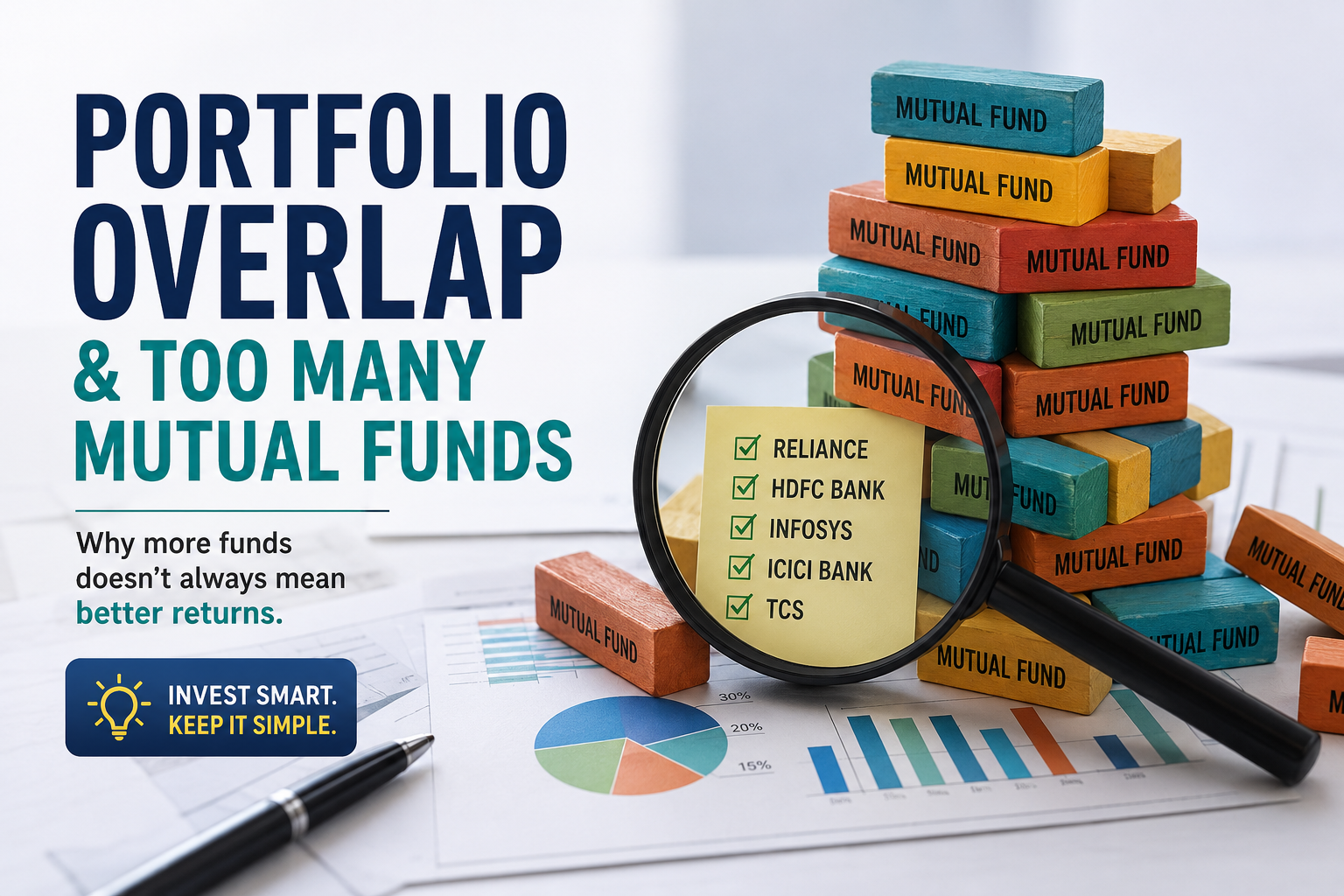

  • Portfolio Overlap & Too Many Mutual Funds: The Hidden Problem Many Investors Don’t Notice

    Portfolio Overlap & Too Many Mutual Funds: The Hidden Problem Many Investors Don’t Notice

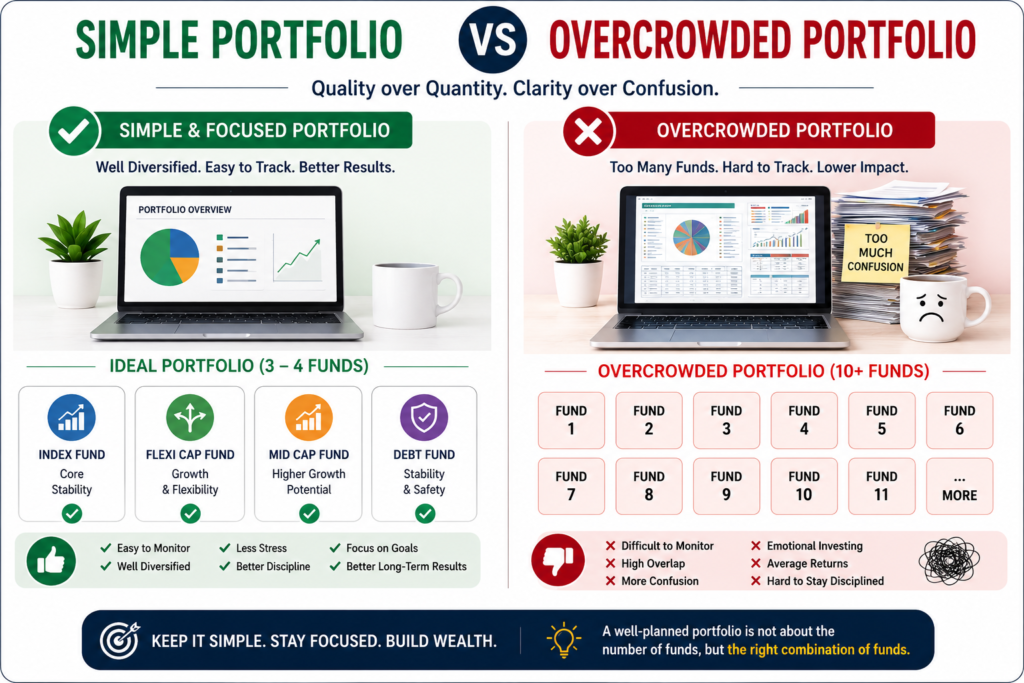
    When people start investing in mutual funds, they often feel excited. One friend suggests a fund, YouTube recommends another, social media talks about “top-performing funds,” and before long, the investor ends up holding 8, 10, or even 15 mutual funds.

    At first, this feels like a smart strategy.

    But in reality, many investors unknowingly create a big problem called portfolio overlap.

    This is one of the most common mistakes seen among beginner and even experienced investors in India.

    Let us understand this in the simplest possible way.


    What is Portfolio Overlap?

    Imagine you own:

    • 3 cricket teams
    • But all three teams have almost the same players

    Do you really have different teams?

    Not really.

    The same thing happens in mutual funds.

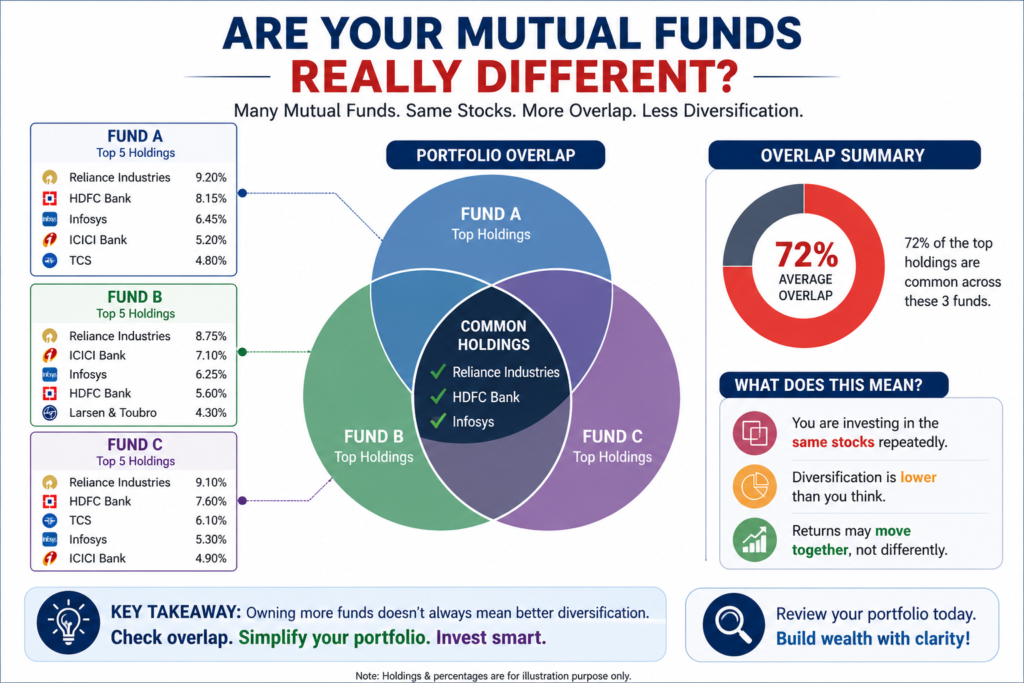
    Many mutual funds buy shares of the same companies like:

    • Reliance
    • HDFC Bank
    • Infosys
    • ICICI Bank
    • TCS

    So even if you own many mutual funds, you may actually be investing in the same stocks repeatedly.

    This is called portfolio overlap.


    A Simple Real-Life Example

    Suppose Ravi invests in:

    1. Large Cap Fund A
    2. Flexi Cap Fund B
    3. Index Fund C

    He feels diversified because he owns 3 funds.

    But when he checks the holdings, he discovers:

    • All three funds heavily own Reliance
    • All three own HDFC Bank
    • All three own Infosys

    Now Ravi’s money is repeatedly going into the same companies.

    This is like buying three different school bags but filling all of them with the same books.


    Why Too Many Mutual Funds Can Become a Problem

    Many people think:

    “More mutual funds means more safety.”

    But that is not always true.

    Sometimes, too many funds create confusion instead of growth.

    1. Difficult to Track

    When you own many funds:

    • Monitoring performance becomes difficult
    • You forget why you invested
    • SIP dates become confusing
    • Rebalancing becomes harder

    Investing should make life simpler, not stressful.


    2. Duplicate Investments

    Many funds may hold similar stocks.

    This means:

    • You are not truly diversified
    • Risk reduction becomes weaker
    • Returns may look almost identical

    You may think you own 10 investments, but actually you own the same 20–30 stocks repeatedly.


    3. Lower Overall Performance

    Some investors keep adding new funds every year.

    The result?

    • Winners and losers cancel each other
    • Portfolio becomes average
    • Strong-performing funds lose impact

    It becomes like having too many cooks in one kitchen.


    4. Emotional Investing Increases

    Too many funds often happen because of:

    • Fear of missing out (FOMO)
    • Social media hype
    • Random recommendations
    • Chasing recent returns

    This creates emotional investing instead of disciplined investing.


    ideal portfolio

    How Many Mutual Funds Are Actually Enough?

    For most retail investors, a simple portfolio is usually better.

    A basic structure may look like:

    • Equity Funds
    • Debt Fund (depending on goals)

    That itself is enough for many investors.

    You do not need 12 different mutual funds to build wealth.

    Remember:

    A healthy garden does not need 100 plants.
    It needs the right plants, properly maintained.


    What Happens When Funds Overlap Too Much?

    Let us understand with an analogy.

    Imagine you own:

    • 5 umbrellas
    • But all have holes in the same place

    Will owning more umbrellas help during rain?

    No.

    Similarly, owning many mutual funds with the same holdings may not protect your portfolio during market falls.

    True diversification means:

    • Different categories
    • Different strategies
    • Different types of companies

    Not simply more funds.


    Signs That You Have Too Many Mutual Funds

    You may have an overcrowded portfolio if:

    • You cannot remember all your fund names
    • Multiple funds give almost identical returns
    • You invested because someone suggested it
    • You keep adding funds but never reviewing them
    • You own many funds from the same category

    If this sounds familiar, it may be time for a portfolio review.


    How to Check Portfolio Overlap

    You can check overlap by:

    • Looking at top holdings of each fund
    • Comparing fund categories
    • Using online overlap tools
    • Consulting a qualified mutual fund distributor or advisor

    Even a quick review can reveal surprising duplication.


    Is Overlap Always Bad?

    No.

    Some overlap is normal.

    For example:

    • Most large-cap funds will own major Indian companies
    • Index funds naturally hold popular stocks

    The problem begins when overlap becomes excessive.

    Too much repetition reduces the benefit of diversification.


    The Power of Simplicity in Investing

    Some of the best investors in the world follow simple portfolios.

    Why?

    Because simplicity helps:

    • Better decision-making
    • Easier monitoring
    • Less stress
    • Better discipline
    • Long-term consistency

    A simple portfolio is easier to stay invested in during market ups and downs.

    And staying invested for a long time is one of the biggest secrets of wealth creation.


    Portfolio overlap

    Quality Matters More Than Quantity

    Many investors proudly say:

    “I have 15 mutual funds.”

    But the important question is:

    “Do those funds actually serve different purposes?”

    A smaller, well-planned portfolio is often much stronger than a large messy portfolio.

    In investing, more is not always better.

    Better is better.


    Final Thoughts

    Mutual funds are powerful tools for wealth creation.

    But owning too many funds without understanding overlap can silently reduce the effectiveness of your investments.

    Instead of collecting funds like cricket cards, focus on building a clear and meaningful portfolio.

    Think of your investments like a good football team:

    • Every player should have a role
    • Too many players in the same position creates imbalance

    The goal is not to own the maximum number of mutual funds.

    The goal is to build wealth peacefully, steadily, and intelligently.

    Need Help Checking Your Mutual Fund Portfolio?

    Many investors do not realise that their portfolio has become overcrowded with too many mutual funds holding similar stocks.

    If you are unsure whether your investments are properly diversified or unnecessarily complicated, you can contact BVB Capital Private Limited for a professional portfolio review.

    Our experts can help you:

    • Identify portfolio overlap
    • Simplify your mutual fund investments
    • Remove unnecessary duplication
    • Build a cleaner and goal-based portfolio
    • Make investing easier to track and understand

    Sometimes, simplifying your portfolio can improve clarity, confidence, and long-term discipline.

    Contact Details

    BVB CAPITAL PRIVATE LIMITED
    AMFI Registered Mutual Fund Distributor
    ARN: 348338
    Thrissur, Kerala – 680568

    📞 Phone: 080 696 40046
    📱 WhatsApp: 96339 40008

    Invest smart. Keep your portfolio simple, meaningful, and easy to manage.


    Frequently Asked Questions (FAQs)

    1. What is portfolio overlap in mutual funds?

    Portfolio overlap happens when multiple mutual funds own many of the same stocks.


    2. Is it bad to have too many mutual funds?

    Yes, too many mutual funds can create duplication, confusion, and weaker diversification.


    3. How many mutual funds should a beginner have?

    For many beginners, 2 to 4 carefully selected mutual funds are often enough.


    4. Can two mutual funds from different categories overlap?

    Yes. Even different categories may hold some of the same companies.


    5. How can I reduce portfolio overlap?

    Review your holdings regularly and avoid adding funds without a clear purpose.


    Mutual Fund investments are subject to market risks. Read all scheme related documents carefully before investing.

  • SIP Calculator – How Much Should You Invest Monthly to Reach Your Goal?

    SIP Calculator – How Much Should You Invest Monthly to Reach Your Goal?

    Most people start a SIP without knowing if ₹2,000 per month will actually get them where they want to go. They pick an amount that feels comfortable, choose a fund someone recommended, and hope for the best. Years later, they discover the number was never going to be enough.

    SIP CALCULATOR

    This guide — and the SIP calculator below — will tell you the exact monthly SIP amount for any goal, whether it is ₹25 lakh for your child’s college education, ₹1 crore for retirement, or a dream home down payment. You will also learn why the number changes dramatically based on when you start.

    At BVB Capital, we are an AMFI-registered mutual fund distributor (ARN 348338) based in Kerala. We help families across Kerala calculate and start SIPs every day. Everything in this article reflects real numbers and practical guidance we give our clients.

    SIP Goal Calculator

    ₹
    years
    %
    Gains
    Total Investment
    Total Invested
    ₹0
    Target Amount
    ₹50L
    Gains
    ₹0
    Monthly SIP Needed
    ₹0
    Wealth Multiplier: 0x
    *Mutual fund investments are subject to market risks. Past performance does not guarantee future returns. Returns shown are for illustration only.

    What Is a SIP and How Does the SIP Calculator Work?

    A Systematic Investment Plan (SIP) is a method of investing a fixed amount in a mutual fund at regular intervals — usually monthly. Instead of investing a large sum all at once, you invest smaller amounts over time. This approach is called rupee cost averaging: you buy more units when markets are low and fewer when markets are high, which reduces your average cost per unit over the long run.

    The SIP calculator uses the future value formula: FV = P × [((1+r)ⁿ – 1) / r] × (1+r), where P is your monthly SIP amount, r is the monthly return rate, and n is the total number of months. You do not need to understand the formula — the calculator handles all of this automatically.

    HOW TO ACHIVE SIP GOAL

    What you do need to understand is the assumption behind the number. The calculator uses an assumed annual return rate, typically 12% for equity mutual funds. Actual returns will vary depending on the fund you choose and market conditions. We always recommend using 11–12% for long-term equity SIP planning — conservative enough to be realistic, optimistic enough to reflect historical equity performance in India.

    Already know what SIP is? Jump straight to the goal calculator above. New to SIP? Read our complete guide: What Is SIP?

    How Much SIP Per Month for Your Goal? Real Calculations

    SIP CALCULATIONS

    The most common question we hear at BVB Capital is: ‘How much do I need to invest every month?’ The answer depends entirely on your goal, your time horizon, and when you start. Here are the real numbers for the most common financial goals among Kerala investors.

    SIP to Reach ₹50 Lakh

    Assuming a 12% annual return on a diversified equity mutual fund:

    • ₹50 lakh in 10 years → Monthly SIP needed: ~₹21,000
    • ₹50 lakh in 15 years → Monthly SIP needed: ~₹10,800
    • ₹50 lakh in 20 years → Monthly SIP needed: ~₹5,800

    Notice how waiting just 5 extra years cuts your required monthly SIP almost in half. This is the power of compounding — and it is the single most important reason to start today, not next month.

    SIP to Reach ₹1 Crore

    ₹1 crore is the most searched SIP goal in India. Here is what you actually need:

    • ₹1 crore in 10 years → Monthly SIP needed: ~₹43,000
    • ₹1 crore in 15 years → Monthly SIP needed: ~₹21,500
    • ₹1 crore in 20 years → Monthly SIP needed: ~₹11,600
    • ₹1 crore in 25 years → Monthly SIP needed: ~₹6,300

    If ₹43,000/month seems out of reach, starting earlier and giving yourself 20–25 years makes ₹1 crore very achievable — even on a modest income.

    SIP for Child’s Education (₹25 Lakh in 15 Years)

    If your child is under 3 years old today, you have roughly 15 years before college. ₹25 lakh covers a decent engineering or medical degree in Kerala today — though with education inflation, you may want to target ₹35–40 lakh.

    • ₹25 lakh in 15 years at 12% → Monthly SIP: ~₹5,400
    • ₹35 lakh in 15 years at 12% → Monthly SIP: ~₹7,500

    SIP for Retirement (₹2 Crore Corpus)

    If you are 35 years old and plan to retire at 60, you have 25 years. A ₹2 crore corpus — combined with SWP (Systematic Withdrawal Plan) — can give you roughly ₹80,000–90,000 per month in retirement income.

    • ₹2 crore in 25 years at 12% → Monthly SIP: ~₹14,000
    • ₹2 crore in 20 years at 12% → Monthly SIP: ~₹23,200

    Quick Reference: SIP amounts for common goals (at 12% annual return)

    GoalTarget AmountYearsReturnMonthly SIP
    Child’s education₹25 lakh15 years12%~₹5,400/month
    Car purchase₹15 lakh7 years12%~₹11,500/month
    Home down payment₹30 lakh10 years12%~₹13,400/month
    Retirement corpus₹2 crore25 years12%~₹14,000/month
    ₹50 lakh goal₹50 lakh20 years12%~₹5,800/month
    ₹1 crore goal₹1 crore20 years12%~₹11,600/month
    Know your number? Let’s find the right fund. WhatsApp ‘SIP Start’ to BVB Capital for a free consultation. We will match your goal, timeline, and risk appetite to the right mutual fund — at no cost to you.
    BVB Capital | ARN 348338 | SEBI Investor Awareness Certified | Kerala

    3 Factors That Change Your SIP Amount Dramatically

    Factor 1: When You Start (The Cost of Waiting)

    This is the biggest factor of all — and the one most people underestimate. Here is what it costs in monthly SIP amount to reach ₹1 crore by age 60, depending on when you begin:

    When You StartYears to 60ReturnMonthly SIP for ₹1 CrVerdict
    Start at 2535 years12%~₹3,500/monthMost affordable
    Start at 3030 years12%~₹6,000/monthManageable
    Start at 3525 years12%~₹10,500/monthGetting expensive
    Start at 4020 years12%~₹19,000/monthVery costly delay
    Start at 4515 years12%~₹35,000/monthExtremely difficult

    Starting at 25 instead of 35 saves you ₹7,000 per month — every single month — for 25 years. That is a ₹21 lakh difference in total investment, just because of a 10-year head start. Share this table with anyone who is ‘waiting for the right time’ to start investing.

    Factor 2: Expected Rate of Return

    The return rate you assume in the calculator dramatically changes the output. Here is how ₹5,000/month grows over 20 years at different return rates:

    • At 8% annual return: ₹29.4 lakh (debt funds, conservative)
    • At 10% annual return: ₹38.3 lakh (hybrid/balanced funds)
    • At 12% annual return: ₹49.9 lakh (diversified equity funds — most realistic for long-term SIPs)
    • At 14% annual return: ₹66.9 lakh (aggressive small/mid cap — higher risk)

    BVB Capital recommends using 11–12% for planning purposes. It reflects the long-term historical performance of well-managed Indian equity mutual funds without being overoptimistic. Always plan conservatively — if the actual returns are higher, you will simply reach your goal faster.

    Factor 3: Step-Up SIP

    A step-up SIP (also called a top-up SIP) automatically increases your monthly SIP by a fixed percentage each year — usually 10%. Since most people get annual salary hikes, this is a natural way to invest more without feeling the pinch. The impact on your final corpus is enormous:

    • Flat ₹5,000/month for 20 years at 12% → ₹49.9 lakh
    • ₹5,000/month with 10% annual step-up for 20 years at 12% → ₹1.18 crore

    The same starting amount — but a step-up SIP creates more than double the corpus. We cover this in detail in our guide on Step-Up SIP (link: /step-up-sip/).

    5 Common Mistakes People Make When Calculating Their SIP Goal

    Mistake 1: Not Accounting for Inflation

    ₹1 crore sounds like a lot today. But at 6% annual inflation, its purchasing power in 20 years is equivalent to roughly ₹31 lakh today. If you are planning retirement or education 15–20 years away, always set an inflation-adjusted target — not today’s price.

    Rule of thumb Multiply your today’s cost target by 1.8 for a 10-year horizon, 2.4 for 15 years, and 3.2 for 20 years (at 6% inflation). So a ₹20 lakh engineering degree today may cost ₹64 lakh in 20 years.

    Mistake 2: Using Too Optimistic a Return Rate

    Many online SIP calculators default to 15% or even 18%. This is misleading. While some funds have delivered these returns in specific periods, using 15%+ for planning leads to a shortfall. Stick to 11–12% for equity funds over a long horizon. Be pleasantly surprised, not shocked.

    Mistake 3: Not Increasing Your SIP When Your Income Increases

    Investors who set up a ₹3,000 SIP at age 25 and never review it are leaving enormous wealth on the table. Every time your income increases, your SIP should increase too. A 10% annual step-up does this automatically.

    Mistake 4: Stopping SIP During Market Falls

    This is the most costly mistake of all. When markets fall, many investors panic and stop their SIP. But a falling market is exactly when your SIP is buying more units at lower prices — that is rupee cost averaging working in your favour. Missing just the 10 best market days in a 10-year period can reduce your returns by more than 50%.

    Mistake 5: Fund Overlap

    Investing in five different SIPs sounds like diversification, but if all five funds hold the same large-cap stocks, you have no real diversification — only five sets of expense ratios. A proper portfolio review ensures your SIPs work together, not against each other. This is one of the key services BVB Capital provides.

    Frequently Asked Questions About the SIP Calculator

    Q: What is a good return rate to use in a SIP calculator?

    For long-term equity SIP planning (10 years or more), use 11–12% per annum. This is based on the historical CAGR of well-diversified equity mutual funds in India over the past 15–20 years. For debt funds or conservative hybrid funds, use 7–8%.

    Q: Is a SIP calculator 100% accurate?

    No. The SIP calculator assumes a constant return rate every year, but actual mutual fund returns fluctuate. Think of the output as a planning estimate — a target to aim for — not a guaranteed outcome. Actual corpus may be higher or lower depending on market conditions.

    Q: What is the minimum SIP amount I can start with?

    Some mutual funds allow SIPs as low as ₹100 per month. Most financial advisors, including BVB Capital, recommend starting with at least ₹500–₹1,000 to make meaningful progress toward a goal. The key is consistency, not the amount.

    Q: Can I do a SIP for just 1 year?

    Yes, technically you can. But equity SIPs are designed for a minimum 3-year horizon to benefit from market cycles and compounding. A 1-year equity SIP carries significant short-term market risk. For goals under 2 years, liquid funds or short-term debt funds are more appropriate.

    Q: What happens if I miss a SIP instalment?

    Missing one instalment is not a disaster. Most fund houses will simply skip that month and resume the next. However, consistently missing instalments defeats the purpose of disciplined investing and significantly impacts your final corpus.

    Q: How do I start a SIP in Kerala?

    The easiest way is to contact BVB Capital. We are based in Kerala and handle everything — KYC completion, fund selection, SIP setup, and annual portfolio review. Just WhatsApp ‘SIP Start’ to get started. There is no cost to you for our guidance.

    Start Your SIP Today — Your Goal Is Closer Than You Think

    Now you have the numbers. You know how much you need to invest, why starting early makes such an enormous difference, and what mistakes to avoid. The only thing left is to begin.

    Every month you wait is compounding you are not getting. If you are 30 and delay starting by just 2 years, you will need to invest ₹3,000 more per month for the rest of your investment horizon to reach the same corpus. That is the real cost of waiting.

    Start your SIP with BVB Capital — free consultation WhatsApp ‘SIP Start’ to begin. We will help you choose the right fund, set up your KYC, and build a SIP plan matched to your specific goal. BVB Capital | AMFI Registered Distributor | ARN 348338 | Kerala | SEBI Investor Awareness Certified

    Explore More Guides from BVB Capital

    Disclaimer

    Mutual fund investments are subject to market risks. Please read all scheme-related documents carefully before investing. Past performance is not indicative of future results. The calculations and return rates in this article are for illustration purposes only and do not constitute investment advice. BVB Capital is an AMFI Registered Mutual Fund Distributor (ARN 348338) and is not a SEBI Registered Investment Advisor. Please consult a qualified financial advisor before making investment decisions.

  • എസ്‌.ഐ.പി (SIP) വെറും ‘പരീക്ഷണം’ അല്ല; അഞ്ചു വർഷം പാഴാക്കാതെ സമ്പന്നനാകാൻ ഇതാ ഒരു എളുപ്പവഴി!

    എസ്‌.ഐ.പി (SIP) വെറും ‘പരീക്ഷണം’ അല്ല; അഞ്ചു വർഷം പാഴാക്കാതെ സമ്പന്നനാകാൻ ഇതാ ഒരു എളുപ്പവഴി!

    എന്റെ പ്രിയപ്പെട്ടവരേ, ഒരു കാര്യം ചോദിച്ചോട്ടെ? നമ്മൾ ഒരു പുതിയ വീട് വെക്കാൻ തീരുമാനിച്ചാൽ ആദ്യം അതിന്റെ പ്ലാൻ വരയ്ക്കുകയും തറക്കല്ലിടുകയും ചെയ്യും. അല്ലാതെ, “നമുക്ക് ഈ മാസം ഒരു രണ്ട് കല്ല് വെച്ച് നോക്കാം, എങ്ങനെയുണ്ടാകുമെന്ന് കണ്ടിട്ട് ബാക്കി പണിയാം” എന്ന് ആരെങ്കിലും പറയുമോ? ഇല്ലല്ലോ. കാരണം അങ്ങനെ ചെയ്താൽ ആ വീട് ഒരിക്കലും പണി തീരില്ല എന്ന് നമുക്കറിയാം.

    എന്നാൽ നിക്ഷേപത്തിന്റെ കാര്യത്തിൽ മലയാളി പലപ്പോഴും ചെയ്യുന്നത് ഈ ‘രണ്ട് കല്ല് വെച്ച് നോക്കുന്ന’ പണിയാണ്. പലരും പറയും, “ചേട്ടാ, നമുക്ക് ഒരു 500 രൂപയുടെ എസ്‌.ഐ.പി (SIP) തുടങ്ങാം, ഒരു അഞ്ചു വർഷം ഒന്ന് ടെസ്റ്റ് ചെയ്ത് നോക്കട്ടെ. ലാഭമുണ്ടെങ്കിൽ തുക കൂട്ടാം.” സത്യം പറയട്ടെ, വലിയ തുക നിക്ഷേപിക്കാൻ ശേഷിയുണ്ടായിട്ടും വെറും 500 രൂപയിൽ ഈ അഞ്ചു വർഷം ഒതുങ്ങിനിൽക്കുന്നത് നിങ്ങളുടെ ജീവിതത്തിലെ ഏറ്റവും വിലപ്പെട്ട അഞ്ചു വർഷങ്ങൾ പാഴാക്കുന്നതിന് തുല്യമാണ്.

    ഇന്ന് നമ്മൾ സംസാരിക്കുന്നത് എങ്ങനെ ആത്മവിശ്വാസത്തോടെ നിക്ഷേപം തുടങ്ങാം എന്നും, ഈ യാത്രയിൽ BVB Capital എങ്ങനെ നിങ്ങളുടെ വിശ്വസ്ത പങ്കാളിയാകുന്നു എന്നതിനെ കുറിച്ചുമാണ്.

    500 രൂപയുടെ പരീക്ഷണം: നിങ്ങൾ അറിയാതെ പോകുന്ന നഷ്ടം

    മ്യൂച്വൽ ഫണ്ട് എങ്ങനെയാണ് പ്രവർത്തിക്കുന്നത് എന്ന് മനസ്സിലാക്കാൻ 500 രൂപയുടെ നിക്ഷേപം നല്ലതാണ്. പക്ഷേ, ഒരു കാർ വാങ്ങാനോ, മക്കളുടെ ഉന്നത പഠനത്തിനോ, സമാധാനപരമായ ഒരു റിട്ടയർമെന്റ് കാലത്തിനോ ആണ് നിങ്ങൾ ലക്ഷ്യമിടുന്നതെങ്കിൽ ഈ 500 രൂപയുടെ പരീക്ഷണം നിങ്ങളെ സഹായിക്കില്ല.

    നിക്ഷേപത്തിൽ ഏറ്റവും പ്രധാനം ‘സമയം’ ആണ്. ഒരിക്കൽ പോയാൽ തിരിച്ചു കിട്ടാത്ത ഒന്നാണത്. 500 രൂപ വെച്ച് 5 വർഷം പരീക്ഷണം നടത്തിക്കഴിയുമ്പോൾ നിങ്ങൾക്ക് കാര്യം മനസ്സിലാകും, പക്ഷേ അപ്പോഴേക്കും നിങ്ങളുടെ പ്രായം അഞ്ചു വർഷം കൂടിയിട്ടുണ്ടാകും. ആ അഞ്ചു വർഷം നിങ്ങൾ വലിയൊരു തുക നിക്ഷേപിച്ചിരുന്നെങ്കിൽ ഇന്ന് കിട്ടുന്ന ലാഭത്തിന്റെ പത്തിരട്ടി നിങ്ങൾക്ക് കിട്ടുമായിരുന്നു. ഇതിനെയാണ് സാമ്പത്തിക വിദഗ്ധർ ‘ഓപ്പർച്യുണിറ്റി കോസ്റ്റ്’ എന്ന് വിളിക്കുന്നത്.

    ഒരു കഥ കേൾക്കൂ: സുരേഷും രമേശും

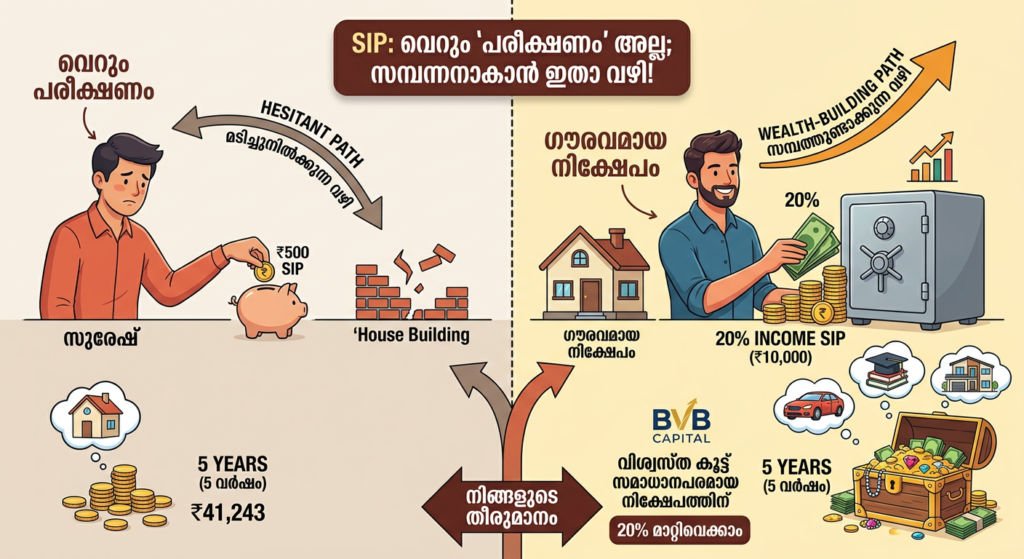
    നമുക്ക് എറണാകുളത്ത് ജോലി ചെയ്യുന്ന സുരേഷിന്റെ കാര്യമെടുക്കാം. സുരേഷിന് മാസം 50,000 രൂപ ശമ്പളമുണ്ട്. വീട്ടുചിലവുകൾ കഴിഞ്ഞ് 15,000 രൂപയോളം സുരേഷിന് ലാഭിക്കാം. പക്ഷേ, സുരേഷ് കരുതിയത് “നമുക്ക് പതുക്കെ തുടങ്ങാം, ആദ്യം ഒരു 500 രൂപയിട്ട് 5 വർഷം നോക്കാം” എന്നാണ്.

    അഞ്ചു വർഷം കഴിഞ്ഞു. സുരേഷിന്റെ കയ്യിൽ ലാഭം ഉൾപ്പെടെ ഏകദേശം 41,000 രൂപയുണ്ട്. എന്നാൽ സുരേഷിന്റെ സുഹൃത്ത് രമേശ് ചെയ്തത് മറ്റൊന്നാണ്. രമേശും അതേ ശമ്പളക്കാരനാണ്. പക്ഷേ അദ്ദേഹം തന്റെ വരുമാനത്തിന്റെ 20% (അതായത് 10,000 രൂപ) ഗൗരവമായ ഒരു നിക്ഷേപമായി മാറ്റി.

    അഞ്ചു വർഷം കഴിഞ്ഞപ്പോൾ രമേശിന്റെ കയ്യിലുള്ളത് ഏകദേശം 8.2 ലക്ഷം രൂപയാണ്! സുരേഷ് ഇപ്പോഴും ‘പരീക്ഷിച്ചു’ കൊണ്ടിരിക്കുന്നു, എന്നാൽ രമേശ് തന്റെ അടുത്ത ലക്ഷ്യത്തിലേക്ക് (ഒരു പുതിയ വീട്) എത്തിക്കഴിഞ്ഞു. സുരേഷിന് നഷ്ടപ്പെട്ടത് ആ 5 വർഷത്തെ ‘കോമ്പൗണ്ടിംഗ്’ കരുത്താണ്.


    20% of your income should be in SIP

    എന്തുകൊണ്ട് നിങ്ങളുടെ വരുമാനത്തിന്റെ 20% നിക്ഷേപിക്കണം?

    നിങ്ങൾ ഗൗരവമായി പണം സമ്പാദിക്കാൻ ആഗ്രഹിക്കുന്നുണ്ടെങ്കിൽ, നിങ്ങളുടെ ആകെ വരുമാനത്തിന്റെ അല്ലെങ്കിൽ സമ്പാദ്യത്തിന്റെ കുറഞ്ഞത് 20 ശതമാനമെങ്കിലും നിക്ഷേപത്തിലേക്ക് മാറ്റിവെക്കണം.

    നമുക്കൊന്ന് താരതമ്യം ചെയ്തു നോക്കാം (12% വാർഷിക വളർച്ച കണക്കാക്കിയാൽ):

    നിക്ഷേപ രീതിമാസ നിക്ഷേപം5 വർഷം കഴിഞ്ഞുള്ള തുക10 വർഷം കഴിഞ്ഞുള്ള തുക
    വെറും പരീക്ഷണം (Test)₹500₹41,243₹1,16,169
    ഗൗരവമായ നിക്ഷേപം (20%)₹5,000₹4,12,432₹11,61,695
    വലിയ നിക്ഷേപം₹10,000₹8,24,864₹23,23,391

    നോക്കൂ, 500 രൂപയുടെ പരീക്ഷണം കൊണ്ട് നിങ്ങൾക്ക് 10 വർഷം കഴിഞ്ഞാലും വലിയൊരു തുകയിലെത്താൻ കഴിയില്ല. എന്നാൽ 20% സമ്പാദ്യമെങ്കിലും നിക്ഷേപിക്കാൻ നിങ്ങൾ കാണിക്കുന്ന ധൈര്യം നിങ്ങളെ ഒരു കോടീശ്വരനാക്കി മാറ്റാൻ കെൽപ്പുള്ളതാണ്.

    DO NOT TEST SIP AND WASTE TIME

    എവിടെ തുടങ്ങണം? എങ്ങനെയുള്ള ആശയക്കുഴപ്പങ്ങൾ മാറ്റാം?

    പലരും നിക്ഷേപം തുടങ്ങാൻ മടിക്കുന്നത് പണം ഇല്ലാത്തതുകൊണ്ടല്ല, മറിച്ച് ഇതിന്റെ പുറകിലുള്ള നൂലാമാലകൾ പേടിച്ചാണ്.

    • “ഏത് ഫണ്ട് തിരഞ്ഞെടുക്കണം?”
    • “കെ.വൈ.സി (KYC) എങ്ങനെ ചെയ്യും?”
    • “വിപണി താഴേക്ക് പോയാൽ എന്ത് ചെയ്യും?” ഈ സംശയങ്ങൾ കാരണം പലരും നിക്ഷേപം മാറ്റിവെക്കുന്നു. ഇവിടെയാണ് BVB Capital നിങ്ങളുടെ സഹായത്തിനെത്തുന്നത്.

    BVB Capital: സമാധാനപരമായ നിക്ഷേപത്തിന് ഒരു വിശ്വസ്ത കൂട്ട്

    നിക്ഷേപം എന്നത് വെറും കണക്കുകൂട്ടലുകൾ മാത്രമല്ല, അതൊരു ദീർഘകാല ബന്ധമാണ്. BVB Capital ലൂടെ നിക്ഷേപം ആരംഭിക്കുമ്പോൾ നിങ്ങൾക്ക് ലഭിക്കുന്ന ഗുണങ്ങൾ ഇവയാണ്:

    1. സങ്കീർണ്ണമായ KYC നടപടികൾ ഞങ്ങൾ ഏറ്റെടുക്കുന്നു: പേപ്പർ വർക്കുകളെക്കുറിച്ചോ ഓൺലൈൻ അപ്‌ഡേഷനുകളെക്കുറിച്ചോ നിങ്ങൾ ആകുലപ്പെടേണ്ടതില്ല. നിങ്ങളുടെ കെ.വൈ.സി നടപടികൾ ലളിതമായി പൂർത്തിയാക്കാൻ ബി.വി.ബി ക്യാപിറ്റൽ നിങ്ങളെ സഹായിക്കുന്നു.
    2. ശരിയായ ഫണ്ട് തിരഞ്ഞെടുക്കാം: ആയിരക്കണക്കിന് മ്യൂച്വൽ ഫണ്ട് സ്കീമുകളിൽ നിന്ന് നിങ്ങളുടെ സാമ്പത്തിക ലക്ഷ്യങ്ങൾക്കും വരുമാനത്തിനും അനുയോജ്യമായവ തിരഞ്ഞെടുക്കാൻ ഞങ്ങളുടെ വിദഗ്ധ സംഘം നിങ്ങളെ സഹായിക്കുന്നു.
    3. ദീർഘകാല ബന്ധം: നിക്ഷേപം തുടങ്ങുന്നതിലല്ല, അത് കൃത്യമായി കൊണ്ടുപോകുന്നതിലാണ് കാര്യം. വിപണിയിലെ കയറ്റിറക്കങ്ങളിൽ പേടിക്കാതെ, സമാധാനത്തോടെ നിക്ഷേപം തുടരാൻ ഒരു കൈത്താങ്ങായി ബി.വി.ബി ക്യാപിറ്റൽ എപ്പോഴും കൂടെയുണ്ടാകും.
    4. സമാധാനപരമായ നിക്ഷേപം (Peaceful Investing): വിപണിയെക്കുറിച്ചോ ഇൻഡക്സിനെക്കുറിച്ചോ ഓരോ നിമിഷവും വ്യാകുലപ്പെടേണ്ടതില്ല. പ്രൊഫഷണലായ ഗൈഡൻസ് ഉള്ളപ്പോൾ നിങ്ങൾക്ക് നിങ്ങളുടെ ജോലിയിലും കുടുംബത്തിലും ശ്രദ്ധ കേന്ദ്രീകരിക്കാം, നിങ്ങളുടെ പണം ഞങ്ങൾക്കായി പണിയെടുക്കും.

    മ്യൂച്വൽ ഫണ്ട് നിക്ഷേപകർ ശ്രദ്ധിക്കേണ്ട കാര്യങ്ങൾ (AMFI Guidelines)

    നിക്ഷേപം തുടങ്ങുന്നതിന് മുൻപ് ഈ കാര്യങ്ങൾ മറക്കരുത്:

    1. വിപണി അപകടസാധ്യതകൾ: മ്യൂച്വൽ ഫണ്ട് നിക്ഷേപങ്ങൾ വിപണി അപകടസാധ്യതകൾക്ക് വിധേയമാണ്. വിപണിയിലെ മാറ്റങ്ങൾ നിങ്ങളുടെ നിക്ഷേപത്തെ ബാധിച്ചേക്കാം. സ്കീം സംബന്ധിച്ച എല്ലാ രേഖകളും ശ്രദ്ധാപൂർവം വായിക്കുക.
    2. ഗ്യാരണ്ടി ഇല്ല: മ്യൂച്വൽ ഫണ്ട് ഒരു ബാങ്ക് ഡെപ്പോസിറ്റ് അല്ല. മുൻകാല പ്രകടനം ഭാവിയിൽ ആവർത്തിക്കണമെന്നുമില്ല.
    3. വിദഗ്ധ ഉപദേശം: എപ്പോഴും ഒരു സെബി (SEBI) രജിസ്റ്റേർഡ് ഫിനാൻഷ്യൽ അഡ്വൈസറുടെ സഹായത്തോടെ മാത്രം നിക്ഷേപം നടത്തുക.

    ഇനി വൈകിക്കേണ്ട, ആ 20% മാറ്റിവെക്കാം

    നിങ്ങളുടെ സമ്പാദ്യത്തിന്റെ 20% ഗൗരവമായ ഒരു നിക്ഷേപമായി മാറ്റാൻ ഇതാണ് ഏറ്റവും നല്ല സമയം. 500 രൂപയുടെ ‘ടെസ്റ്റ് ഡ്രൈവ്’ നടത്തിക്കൊണ്ടിരുന്നാൽ നിങ്ങൾ ലക്ഷ്യസ്ഥാനത്ത് എത്തില്ല.

    BVB Capital മായി കൈകോർത്ത്, എല്ലാ സാങ്കേതിക ബുദ്ധിമുട്ടുകളും ഞങ്ങൾക്ക് വിട്ടുനൽകി, ആത്മവിശ്വാസത്തോടെ നിങ്ങളുടെ സാമ്പത്തിക ഭദ്രതയിലേക്കുള്ള യാത്ര തുടങ്ങൂ. സമാധാനപരമായ ഒരു നിക്ഷേപത്തിലൂടെ നിങ്ങളുടെ സ്വപ്നങ്ങൾ സാക്ഷാത്കരിക്കാൻ ഞങ്ങൾ കൂടെയുണ്ട്.

    സന്തോഷകരമായ നിക്ഷേപയാത്ര നേരുന്നു!


    Disclaimer: Mutual Fund നിക്ഷേപങ്ങൾ വിപണി അപകടസാധ്യതകൾക്ക് വിധേയമാണ്. സ്കീം സംബന്ധിച്ച എല്ലാ രേഖകളും ശ്രദ്ധാപൂർവം വായിക്കുക. മുകളിൽ നൽകിയിരിക്കുന്ന കണക്കുകൾ ഒരു ധാരണയ്ക്ക് വേണ്ടിയുള്ള ഉദാഹരണങ്ങൾ മാത്രമാണ്.

    നിങ്ങളുടെ സമ്പാദ്യത്തിന്റെ 20% എങ്ങനെ കൃത്യമായി നിക്ഷേപിക്കണം എന്ന് അറിയാൻ ബി.വി.ബി ക്യാപിറ്റലുമായി (BVB Capital) ബന്ധപ്പെടാൻ ആഗ്രഹിക്കുന്നുണ്ടോ? Contact us

  • Is ₹500 SIP for 5 Years Enough? Let’s Understand the Reality

    Is ₹500 SIP for 5 Years Enough? Let’s Understand the Reality

    Many new investors ask:

    👉 “If I invest ₹500 per month in SIP, what will I get after 5 years?”

    Let’s understand this with a simple example.
    If you are new to SIP, first understand how it works in detail.


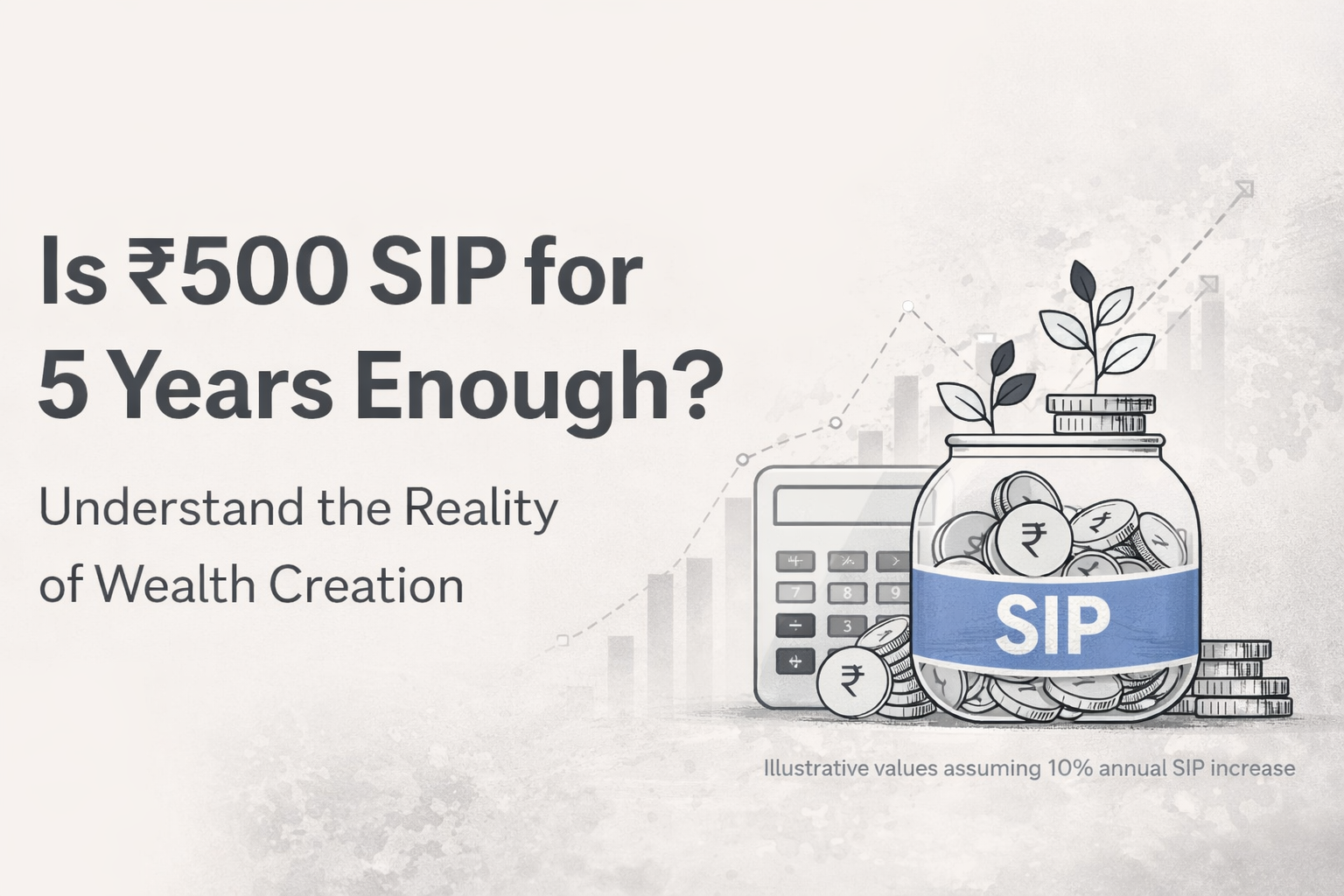
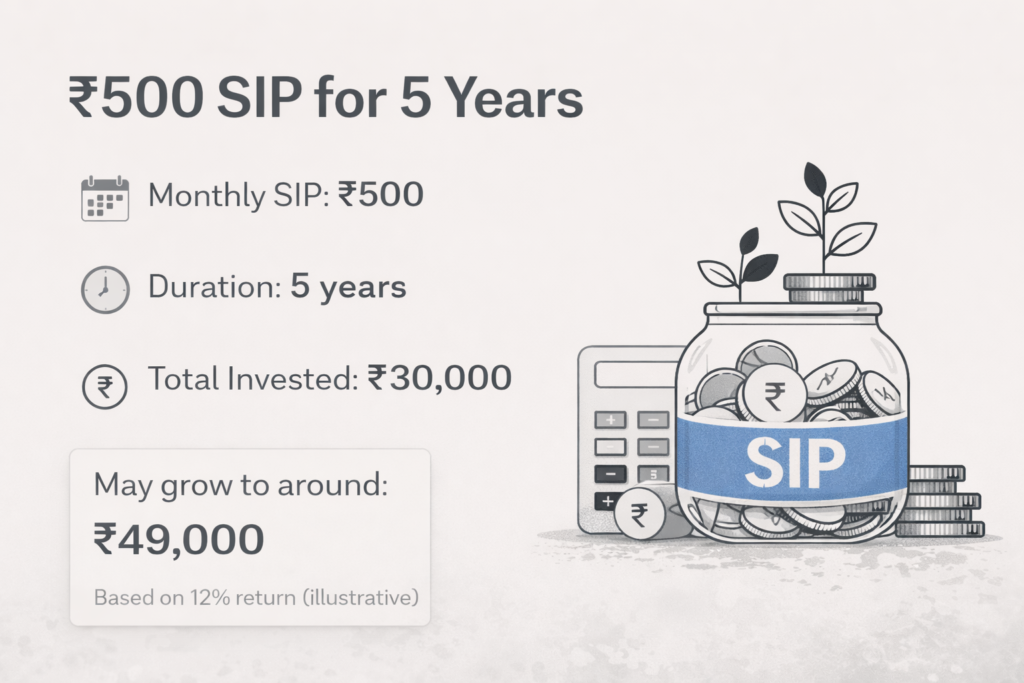
    📊 Example: ₹500 SIP for 5 Years

    • Monthly SIP: ₹500
    • Duration: 5 years
    • Total invested: ₹30,000

    👉 Based on an assumed return of 12% per annum,
    the value may grow to around ₹49,000

    👉 Gain: ~₹19,000


    ⚠️ Important Note

    This is only an illustration, not a guarantee.

    • Mutual fund returns are market-linked
    • Actual returns may be higher or lower
    • This example is used only to help understand how SIP works

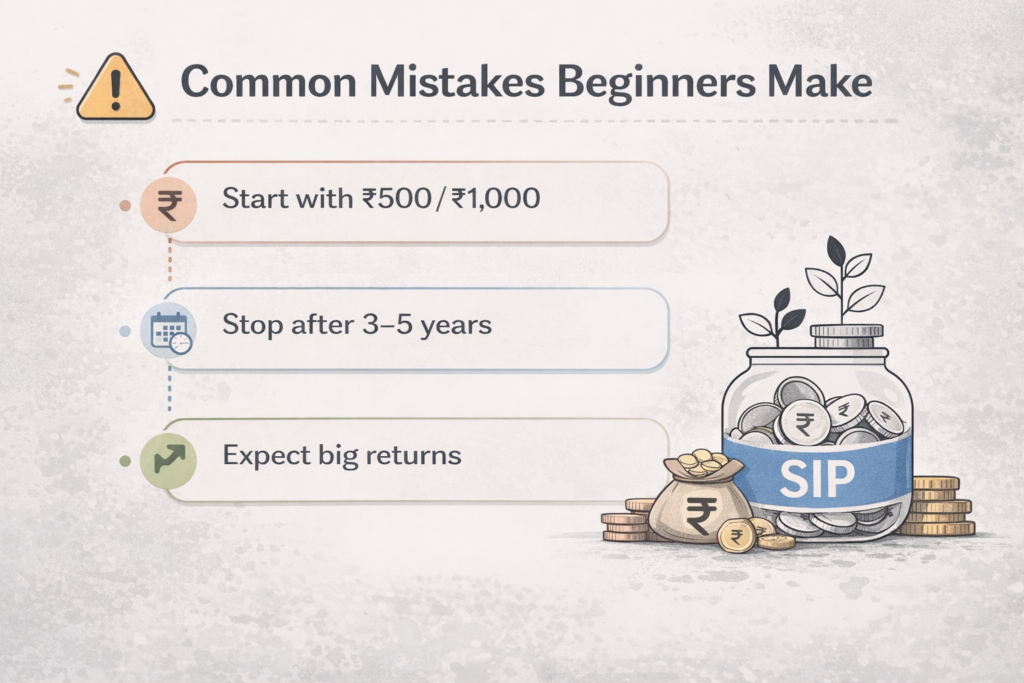
    Common SIP investment mistakes for beginners

    🤔 What Does This Mean?

    A ₹500 SIP helps you:
    ✔ Start investing
    ✔ Build financial discipline

    But:

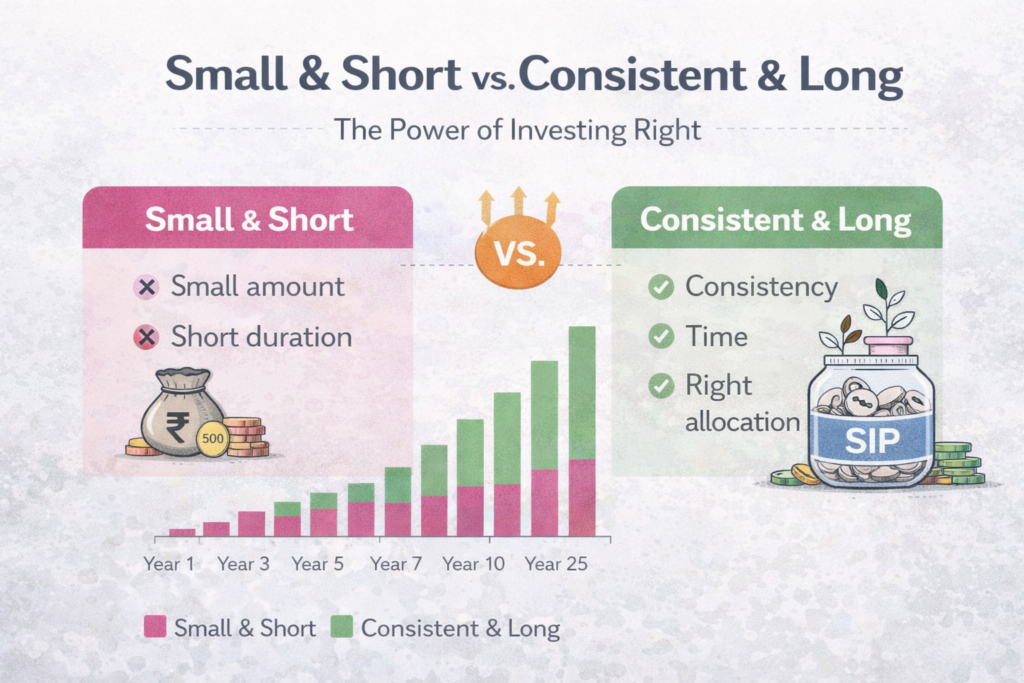
    👉 For meaningful wealth creation, both amount and time matter


    📈 The Role of Time in Investing

    Let’s see what happens when you stay invested longer:

    SIPDurationValue (Illustrative @12%)
    ₹5005 years~₹49,000
    ₹50020 years~₹9.9 Lakhs
    ₹50030 years~₹44 Lakhs

    👉 Same SIP… but longer duration shows the impact of compounding.


    Investing strategies: short-term vs long-term

    🚀 Increasing SIP Over Time (Step-Up SIP)

    In real life, income increases over time.
    So investors can consider increasing SIP annually.

    👉 In the projections shown here,
    we have assumed a 10% annual increase (top-up) in SIP amount

    This approach is called:

    👉 Step-Up SIP

    It can significantly improve long-term outcomes.


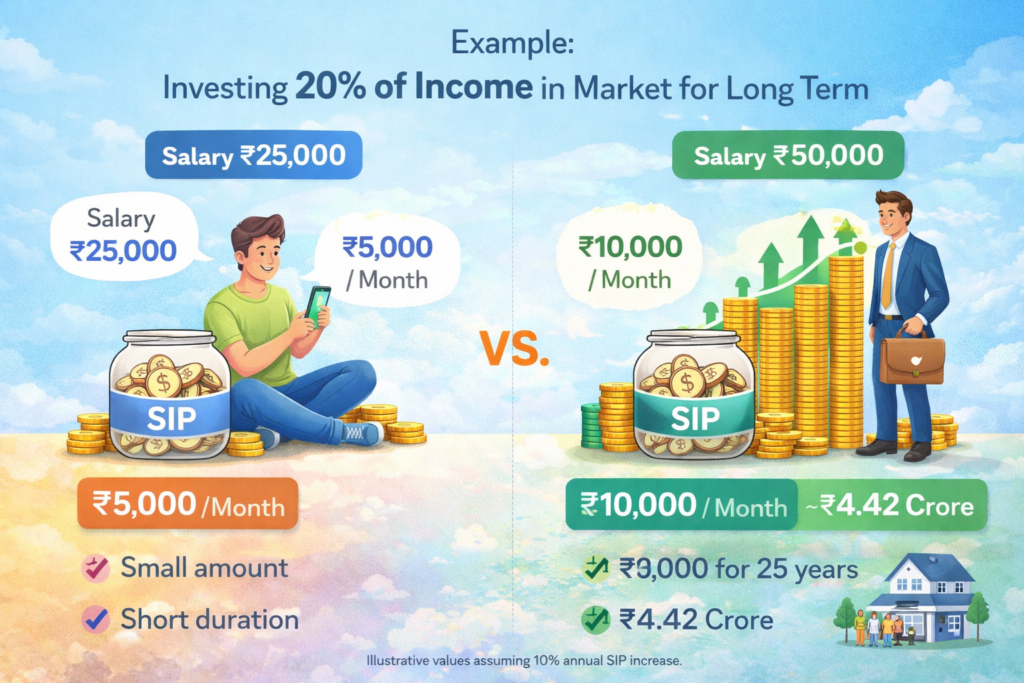
    📊 Example: ₹5,000 SIP with 10% Yearly Increase

    • ₹5,000 for 15 years → ~₹43 Lakhs
    • ₹5,000 for 25 years → ~₹2.14 Crore
    • ₹5,000 for 30 years → ~₹4.42 Crore

    (All values are illustrative, assuming 12% annual return and 10% SIP increase per year)


    💡 Key Takeaways

    ✔ Starting small is good
    ✔ Staying invested is more important
    ✔ Increasing SIP over time can improve results
    ✔ Long-term investing helps benefit from compounding


    Stock market investment illustration for growth

    🎯 How Much Should You Invest?

    A common thumb rule:

    👉 Try to invest a portion of your income regularly
    (For many investors, this may range around 10–20%, depending on their situation)

    Always invest based on:

    • Income
    • Expenses
    • Financial goals
    • Risk capacity

    ⚠️ Avoid These Common Mistakes

    ❌ Investing only based on small trial amounts
    ❌ Stopping SIPs during market fluctuations
    ❌ Selecting funds based only on past returns


    🧠 Why Proper Guidance Matters

    Mutual fund investing is not just about starting an SIP.

    It involves:

    • Understanding your risk profile
    • Selecting suitable asset allocation
    • Choosing appropriate schemes
    • Staying consistent during market ups and downs

    🤝 How BVB Capital Can Help

    At BVB Capital, we focus on:

    ✔ Risk profiling before investment
    ✔ Goal-based portfolio construction
    ✔ Suitable scheme selection (not random picking)
    ✔ Long-term investment discipline

    👉 The aim is to help investors make informed and structured decisions


    🔚 Final Thought

    SIP is a powerful tool when used correctly.

    👉 Start early
    👉 Stay consistent
    👉 Increase gradually
    👉 Think long term


    📞 Get Started

    If you want to plan your SIP based on your goals and risk profile:

    👉 Connect with BVB Capital for a structured approach to investing


    ⚖️ Mandatory Disclaimer (AMFI-Compliant)

    Mutual Fund investments are subject to market risks.
    Read all scheme related documents carefully before investing.

    The returns shown above are illustrative and are based on assumed rates of return.
    They are not guaranteed and do not indicate future performance.

  • മ്യൂച്വൽ ഫണ്ടിൽ എത്ര കാലം നിക്ഷേപിക്കണം?

    മ്യൂച്വൽ ഫണ്ടിൽ എത്ര കാലം നിക്ഷേപിക്കണം?

    നമ്മളിൽ പലരും ചോദിക്കാറുള്ള ഒരു പ്രധാന ചോദ്യമാണ്, “ഈ മ്യൂച്വൽ ഫണ്ടിൽ എത്ര കാലം പണം ഇട്ടു വെക്കണം?” എന്നത്. ഒരു പ്ലാവു നട്ടാൽ ഉടനെ ചക്ക കിട്ടില്ലല്ലോ, അതുപോലെ തന്നെയാണ് നിക്ഷേപവും. ഇന്ന് നമുക്ക് വളരെ ലളിതമായി, നമ്മുടെ വീട്ടിലെ കാര്യങ്ങൾ പറയുന്നതുപോലെ ഈ നിക്ഷേപ കാലാവധിയെക്കുറിച്ച് ഒന്ന് സംസാരിക്കാം.

    മ്യൂച്വൽ ഫണ്ട് നിക്ഷേപത്തെക്കുറിച്ച് കേൾക്കുമ്പോൾ തന്നെ പലർക്കും പേടിയാണ്. എന്നാൽ ശരിയായ സമയവും കൃത്യമായ പ്ലാനിംഗും ഉണ്ടെങ്കിൽ ഇതൊരു വലിയ നിധിശേഖരം തന്നെയാണ്. നിക്ഷേപ കാലാവധി അഥവാ ‘ഇൻവെസ്റ്റ്‌മെന്റ് ഹൊറൈസൺ’ എങ്ങനെ തിരഞ്ഞെടുക്കാം എന്ന് നമുക്ക് നോക്കാം.
    മ്യൂച്വൽ ഫണ്ട് എന്നാൽ എന്താണെന്ന്” കൂടുതൽ അറിയാൻ ഈ ലിങ്ക് നോക്കാം.

    A multi-generational Kerala family gathers around a laptop in their traditional home to discuss and visualize their mutual fund investment goals, represented by thought bubbles illustrating education, travel, a car, and retirement planning

    എന്താണ് ഈ ഇൻവെസ്റ്റ്‌മെന്റ് ഹൊറൈസൺ (Investment Horizon)?

    ലളിതമായി പറഞ്ഞാൽ, നിങ്ങൾ എത്ര കാലത്തേക്ക് നിങ്ങളുടെ പണം നിക്ഷേപിക്കാൻ ഉദ്ദേശിക്കുന്നു എന്നതിനെയാണ് ഇൻവെസ്റ്റ്‌മെന്റ് ഹൊറൈസൺ എന്ന് വിളിക്കുന്നത്. നമ്മൾ ഒരു വീട് പണിയാൻ പണം മാറ്റിവെക്കുന്നത് പോലെയല്ല ഒരു മൊബൈൽ ഫോൺ വാങ്ങാൻ പണം കരുതുന്നത്. ഓരോ ആവശ്യത്തിനും ഓരോ സമയമുണ്ട്.

    നിങ്ങളുടെ ലക്ഷ്യം എന്താണെന്ന് ആദ്യം തീരുമാനിക്കുക. ഉദാഹരണത്തിന്, അടുത്ത വർഷം നടത്തേണ്ട ഒരു വിനോദയാത്രയാണോ അതോ പത്തു വർഷം കഴിഞ്ഞ് നടക്കേണ്ട മകളുടെ വിവാഹമാണോ? ഈ സമയത്തിനനുസരിച്ചാണ് നമ്മൾ ഏത് ഫണ്ട് വേണമെന്ന് തീരുമാനിക്കുന്നത്.

    A split-screen illustration contrasting short-term (1-3 years) and long-term (5+ years) mutual fund investment paths. The short-term side features a calm road with a father driving a car representing stable debt funds, while the long-term side shows a mother driving a jeep on a steep, winding mountain road representing volatile but high-growth equity funds, with labels in both Malayalam and English.

    ഹ്രസ്വകാലം vs ദീർഘകാലം: എവിടെ എപ്പോൾ നിക്ഷേപിക്കണം?

    നിക്ഷേപ കാലാവധിയെ നമുക്ക് പ്രധാനമായും മൂന്നായി തിരിക്കാം. ഇതിലൂടെ നിങ്ങൾക്ക് അനുയോജ്യമായത് ഏതാണെന്ന് എളുപ്പത്തിൽ മനസ്സിലാക്കാം.

    1. കുറഞ്ഞ കാലയളവ് (Short-term: 1 മുതൽ 3 വർഷം വരെ)

    നിങ്ങൾക്ക് പെട്ടെന്ന്, അതായത് ഒന്നോ രണ്ടോ വർഷത്തിനുള്ളിൽ പണം ആവശ്യമുണ്ടെങ്കിൽ ‘ഡെറ്റ് ഫണ്ടുകൾ’ (Debt Funds) അല്ലെങ്കിൽ ‘ലിക്വിഡ് ഫണ്ടുകൾ’ തിരഞ്ഞെടുക്കുന്നതാണ് ബുദ്ധി. ഓഹരി വിപണിയിലെ ചാഞ്ചാട്ടം ഇവയെ കാര്യമായി ബാധിക്കില്ല.

    • ഉദാഹരണം: വീട് പെയിന്റ് അടിക്കാനോ അല്ലെങ്കിൽ ഒരു ചെറിയ ടൂർ പോകാനോ ഉള്ള പണം.

    2. ഇടത്തരം കാലയളവ് (Medium-term: 3 മുതൽ 5 വർഷം വരെ)

    മൂന്ന് വർഷത്തിന് മുകളിൽ അഞ്ച് വർഷം വരെയുള്ള ആവശ്യങ്ങൾക്കാണെങ്കിൽ ‘ഹൈബ്രിഡ് ഫണ്ടുകൾ’ (Hybrid Funds) നോക്കാവുന്നതാണ്. ഇതിൽ പണം ഓഹരികളിലും കടപ്പത്രങ്ങളിലും ഒരുപോലെ നിക്ഷേപിക്കുന്നു.

    • ഉദാഹരണം: കാർ വാങ്ങാനുള്ള ഡൗൺ പേയ്‌മെന്റ് കണ്ടെത്താൻ.

    3. ദീർഘകാലം (Long-term: 5 വർഷത്തിന് മുകളിൽ)

    അഞ്ച് വർഷത്തിന് മുകളിലാണ് നിങ്ങളുടെ പ്ലാനെങ്കിൽ കണ്ണും പൂട്ടി ‘ഇക്വിറ്റി ഫണ്ടുകൾ’ (Equity Funds) തിരഞ്ഞെടുക്കാം. ഇവിടെയാണ് യഥാർത്ഥ മാജിക് നടക്കുന്നത്!

    • ഉദാഹരണം: മക്കളുടെ ഉന്നത പഠനം, നിങ്ങളുടെ റിട്ടയർമെന്റ് ജീവിതം.
    നിക്ഷേപ കാലാവധിഫണ്ട് തരംറിസ്ക് നിലവാരം
    1 വർഷത്തിൽ താഴെലിക്വിഡ് ഫണ്ടുകൾവളരെ കുറവ്
    1 – 3 വർഷംഡെറ്റ് ഫണ്ടുകൾകുറവ്
    3 – 5 വർഷംഹൈബ്രിഡ് / ബാലൻസ്ഡ് ഫണ്ടുകൾമിതത്വം
    5 വർഷത്തിന് മുകളിൽഇക്വിറ്റി ഫണ്ടുകൾകൂടുതൽ (പക്ഷേ ലാഭവും കൂടുതൽ)
    A sequential, four-panel illustration showing a Kerala family and a jackfruit tree growing over 30+ years, visually demonstrating the power of compounding as a small initial seedling and investment multiply into a monumental tree dripping with coins and wealth by year 30, with time stages labeled in Malayalam.

    ഡെറ്റ് ഫണ്ടുകളും ഇക്വിറ്റി ഫണ്ടുകളും തമ്മിലുള്ള വ്യത്യാസം

    പലരും തെറ്റായ ഫണ്ടുകളിൽ പണം നിക്ഷേപിച്ച് പിന്നീട് നഷ്ടം വന്നു എന്ന് പരാതിപ്പെടാറുണ്ട്. നിങ്ങൾ ഹ്രസ്വകാലത്തേക്ക് ഇക്വിറ്റി ഫണ്ടിൽ പണം ഇട്ടാൽ, വിപണി താഴേക്ക് പോകുമ്പോൾ നിങ്ങളുടെ പണം കുറയാൻ സാധ്യതയുണ്ട്.

    • ഡെറ്റ് ഫണ്ടുകൾ: പണം സുരക്ഷിതമായിരിക്കാൻ ആഗ്രഹിക്കുന്നവർക്ക്. ബാങ്ക് എഫ്.ഡി യേക്കാൾ അല്പം കൂടി മികച്ച ലാഭം പ്രതീക്ഷിക്കാം.
    • ഇക്വിറ്റി ഫണ്ടുകൾ: വിപണിയിലെ ലാഭവിഹിതം വേണം എന്നുള്ളവർക്ക്. ദീർഘകാലം കാത്തിരുന്നാൽ വലിയൊരു തുക സമ്പാദിക്കാൻ ഇത് സഹായിക്കും.

    കൂട്ടുപലിശയുടെ മാന്ത്രികത (Power of Compounding)

    നിങ്ങൾ എത്ര കൂടുതൽ കാലം നിക്ഷേപം തുടരുന്നുവോ, അത്രയും വലിയ ലാഭം നിങ്ങൾക്ക് ലഭിക്കും. ഇതിനെയാണ് ഐൻസ്റ്റീൻ ലോകത്തിലെ എട്ടാമത്തെ അത്ഭുതം എന്ന് വിളിച്ചത്. നിങ്ങൾ ഇന്ന് നിക്ഷേപിക്കുന്ന 1000 രൂപ പത്തു വർഷം കഴിയുമ്പോൾ ലഭിക്കുന്നതിനേക്കാൾ വലിയ തുകയായി ഇരുപതു വർഷം കഴിയുമ്പോൾ മാറും. ഇതിനെക്കുറിച്ച് കൂടുതൽ അറിയാൻ ഇതുമായി ബന്ധപ്പെട്ട് ഈ ലേഖനം വായിക്കാം.

    ശ്രദ്ധിക്കേണ്ട 3 കാര്യങ്ങൾ:

    1. ക്ഷമ വേണം: വിപണി താഴേക്ക് പോകുമ്പോൾ പേടിച്ച് പണം പിൻവലിക്കരുത്.
    2. SIP തുടങ്ങുക: എല്ലാ മാസവും ചെറിയ തുക നിക്ഷേപിക്കുന്ന ശീലം വളർത്തുക.
    3. ലക്ഷ്യം മറക്കരുത്: എന്തിനുവേണ്ടിയാണ് നിക്ഷേപിക്കുന്നത് എന്ന കൃത്യമായ ബോധ്യം വേണം.
      എന്താണ് SIP എന്നും അത് എങ്ങനെ തുടങ്ങാം എന്നും” ഇവിടെ വായിക്കാം.
    A square social media infographic featuring bold Malayalam text asking "Mutual Fund: How long for your goal?". The central focus is a treasure chest with a watch face displaying different investment durations (1, 5, and 10+ years) in Malayalam, surrounded by money and goal icons, with a call to action to start investing below.

    സമാപനം

    ചുരുക്കത്തിൽ പറഞ്ഞാൽ, മ്യൂച്വൽ ഫണ്ട് നിക്ഷേപം എന്നത് ഒരു ഓട്ടമത്സരമല്ല, മറിച്ച് ഒരു ദീർഘദൂര യാത്രയാണ്. നിങ്ങളുടെ സാമ്പത്തിക ലക്ഷ്യങ്ങൾക്കനുസരിച്ച് ശരിയായ ഫണ്ട് തിരഞ്ഞെടുക്കുക. ഇന്ന് തന്നെ ചെറിയ രീതിയിൽ തുടങ്ങൂ, നാളെ അത് വലിയൊരു തണലായി മാറും.

    നിങ്ങൾക്ക് ഇതിനെക്കുറിച്ച് എന്തെങ്കിലും സംശയമുണ്ടോ? താഴെ കമന്റ് ചെയ്യൂ, നമുക്ക് സംസാരിക്കാം!


    ഇടയ്ക്കിടെ ചോദിക്കപ്പെടുന്ന ചോദ്യങ്ങൾ (FAQ)

    1. മ്യൂച്വൽ ഫണ്ടിൽ നിന്ന് എപ്പോൾ വേണമെങ്കിലും പണം പിൻവലിക്കാമോ?

    അതെ, മിക്കവാറും എല്ലാ ഓപ്പൺ എൻഡഡ് ഫണ്ടുകളിൽ നിന്നും നിങ്ങൾക്ക് എപ്പോൾ വേണമെങ്കിലും പണം പിൻവലിക്കാം. എന്നാൽ ചില ഫണ്ടുകളിൽ ഒരു വർഷത്തിനുള്ളിൽ പിൻവലിച്ചാൽ ചെറിയൊരു തുക (Exit Load) ഈടാക്കാറുണ്ട്.

    2. എത്ര രൂപ മുതൽ നിക്ഷേപം തുടങ്ങാം?

    വെറും 500 രൂപ മുതൽ നിങ്ങൾക്ക് SIP വഴി നിക്ഷേപം തുടങ്ങാവുന്നതാണ്. വലിയ തുക വേണമെന്ന് നിർബന്ധമില്ല.

    3. ഓഹരി വിപണി തകർന്നാൽ എന്റെ പണം നഷ്ടപ്പെടുമോ?

    വിപണി താഴേക്ക് പോകുമ്പോൾ താല്ക്കാലികമായി മൂല്യം കുറയാം. എന്നാൽ ദീർഘകാലം (5-10 വർഷം) നിക്ഷേപിക്കുന്നവർക്ക് വിപണി തിരിച്ചു വരുമ്പോൾ മികച്ച ലാഭം ലഭിക്കാറുണ്ട്.

    4. ടാക്സ് സേവിംഗ് ഫണ്ടുകൾ (ELSS) എത്ര കാലം വെക്കണം?

    ELSS ഫണ്ടുകൾക്ക് 3 വർഷത്തെ ലോക്ക്-ഇൻ പിരീഡ് ഉണ്ട്. അതായത് 3 വർഷം തികയാതെ നിങ്ങൾക്ക് പണം പിൻവലിക്കാൻ കഴിയില്ല.
    ആദായനികുതി ഇളവുകളെക്കുറിച്ചുള്ള നിയമങ്ങൾ” ഇവിടെ പരിശോധിക്കാം.

    5. ഏത് ഫണ്ടാണ് എനിക്ക് നല്ലതെന്ന് എങ്ങനെ അറിയാം?

    നിങ്ങളുടെ പ്രായം, സാമ്പത്തിക ലക്ഷ്യം, എത്ര കാലം കാത്തിരിക്കാൻ കഴിയും എന്നിവ നോക്കി വേണം ഫണ്ട് തിരഞ്ഞെടുക്കാൻ. ഒരു സാമ്പത്തിക ഉപദേഷ്ടാവിന്റെ സഹായം തേടുന്നത് എപ്പോഴും നല്ലതാണ്.

    നിക്ഷേപകരുടെ അറിവിലേക്കായി “AMFI നൽകുന്ന മാർഗ്ഗനിർദ്ദേശങ്ങൾ” ശ്രദ്ധിക്കുക.

  • ഇന്ത്യയിൽ മ്യൂച്വൽ ഫണ്ട് സുരക്ഷിതമാണോ? നിങ്ങൾ അറിഞ്ഞിരിക്കേണ്ട സത്യങ്ങൾ!

    ഇന്ത്യയിൽ മ്യൂച്വൽ ഫണ്ട് സുരക്ഷിതമാണോ? നിങ്ങൾ അറിഞ്ഞിരിക്കേണ്ട സത്യങ്ങൾ!

    നമ്മുടെ നാട്ടിൽ പലരും ചോദിക്കാറുള്ള ഒരു കാര്യമുണ്ട്— “മ്യൂച്വൽ ഫണ്ട് സുരക്ഷിതമാണോ?” കഷ്ടപ്പെട്ട് ഉണ്ടാക്കിയ പണം നഷ്ടപ്പെടുമോ എന്ന പേടി എല്ലാവർക്കും കാണും. ഈ പേടി മാറ്റാൻ ലളിതമായ ചില കാര്യങ്ങൾ നമുക്കൊന്ന് നോക്കിയാലോ?

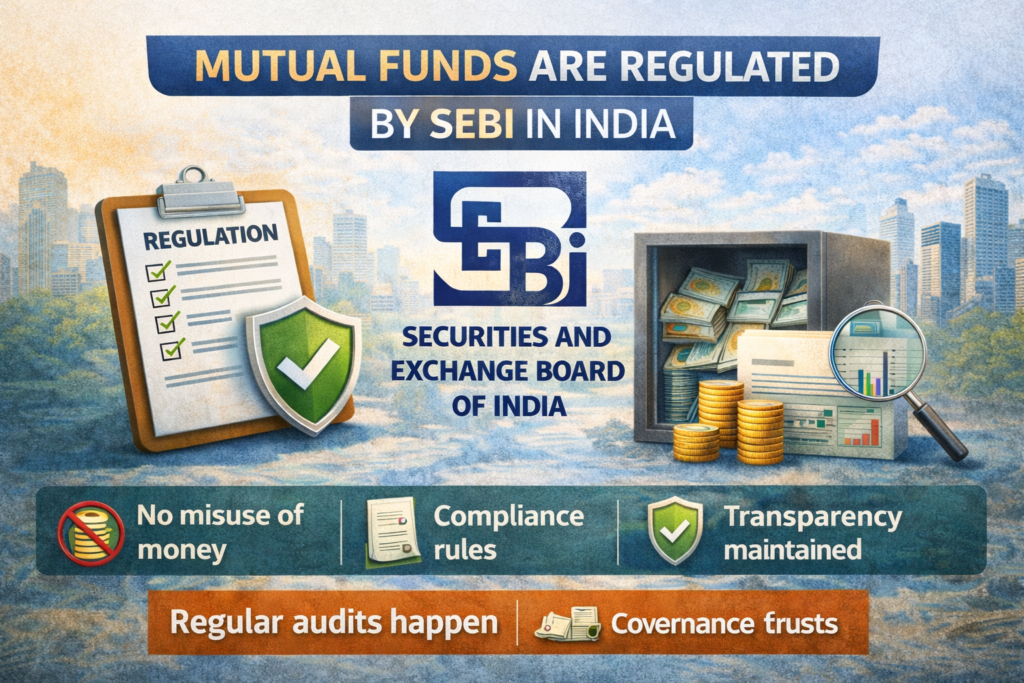
    mutual funds are regulated by SEBI

    1. മ്യൂച്വൽ ഫണ്ട് നിയമപരമായി സുരക്ഷിതമാണോ?

    തീർച്ചയായും! ഇന്ത്യയിൽ മ്യൂച്വൽ ഫണ്ടുകളെ നിയന്ത്രിക്കുന്നത് SEBI (സെബി) എന്ന വലിയൊരു സംവിധാനമാണ്. ഒരു കളിക്കളത്തിൽ റെഫറി എങ്ങനെയോ, അതുപോലെയാണ് സെബി. നിയമങ്ങൾ ലംഘിക്കാൻ ആരെയും അവർ അനുവദിക്കില്ല.

    • നിങ്ങളുടെ പണം ദുരുപയോഗം ചെയ്യുന്നില്ലെന്ന് അവർ ഉറപ്പുവരുത്തുന്നു.
    • കൃത്യമായ പരിശോധനകളും ഓഡിറ്റുകളും നടക്കുന്നു.
    • ചിട്ടി ഫണ്ടുകൾ പോലെയല്ല, ഇതിന് ശക്തമായ നിയമപരിരക്ഷയുണ്ട്.

    2. കമ്പനി പൂട്ടിപ്പോയാൽ എന്റെ പണം ആര് തരും?

    പലരുടെയും പേടി ഇതാണ്— “ഞാൻ പണം നൽകിയ കമ്പനി നാളെ അപ്രത്യക്ഷമായാലോ?” ഇതിന് കൃത്യമായ മറുപടിയുണ്ട്. നിങ്ങളുടെ പണം ആ കമ്പനിയുടെ സ്വന്തം ബാങ്ക് അക്കൗണ്ടിലല്ല ഇരിക്കുന്നത്. അത് സൂക്ഷിക്കുന്നത് സ്വതന്ത്രമായ കസ്റ്റോഡിയൻമാരാണ് (സാധാരണയായി വലിയ ബാങ്കുകൾ). ഇനി ഒരു ഫണ്ട് ഹൗസ് പ്രവർത്തനം നിർത്തിയാലും നിങ്ങളുടെ നിക്ഷേപം നിയമപരമായി സുരക്ഷിതമായിരിക്കും.

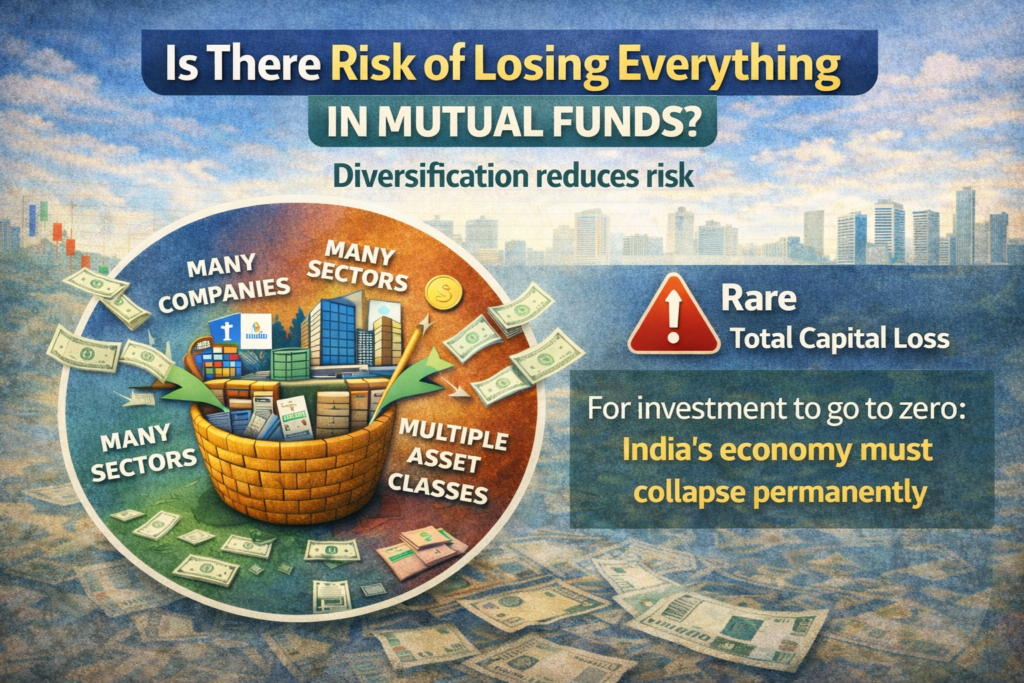
    RISK IN MUTUAL FUNDS

    3. പിന്നെന്തിനാണ് എല്ലാവരും ‘റിസ്ക്’ ഉണ്ടെന്ന് പറയുന്നത്?

    മ്യൂച്വൽ ഫണ്ട് ഘടനാപരമായി സുരക്ഷിതമാണ്, എന്നാൽ അതിൽ ‘മാർക്കറ്റ് റിസ്ക്’ ഉണ്ട്. അതായത്, ഷെയർ മാർക്കറ്റിലെ കയറ്റിറക്കങ്ങൾ അനുസരിച്ച് നിങ്ങളുടെ പണത്തിന്റെ മൂല്യത്തിലും മാറ്റങ്ങൾ വരാം. ഇത് ബാങ്ക് എഫ്.ഡി (FD) പോലെ ഇത്ര രൂപ ലാഭം കിട്ടും എന്ന് ഉറപ്പ് നൽകുന്ന ഒന്നല്ല.

    നിക്ഷേപങ്ങൾ തമ്മിലുള്ള ഒരു താരതമ്യം:

    നിക്ഷേപംപണത്തിന്റെ സുരക്ഷലാഭത്തിന് ഉറപ്പുണ്ടോ?വളർച്ചാ സാധ്യത
    ബാങ്ക് FDവളരെ കൂടുതൽഉണ്ട്കുറവ്
    സ്വർണംഇടത്തരംഇല്ലഇടത്തരം
    മ്യൂച്വൽ ഫണ്ട്മാർക്കറ്റിനെ ആശ്രയിച്ചിരിക്കുംഇല്ലകൂടുതൽ (ദീർഘകാലം)

    4. പണം മുഴുവൻ നഷ്ടപ്പെടാൻ സാധ്യതയുണ്ടോ?

    നിങ്ങൾ ഒരു നല്ല മ്യൂച്വൽ ഫണ്ടിലാണ് നിക്ഷേപിക്കുന്നതെങ്കിൽ പണം മുഴുവൻ പൂജ്യമാകാൻ സാധ്യത വളരെ കുറവാണ്. കാരണം, നിങ്ങളുടെ പണം ഒരു കമ്പനിയിലല്ല, മറിച്ച് പല മേഖലകളിലെ (ഉദാഹരണത്തിന്: റിലയൻസ്, ടാറ്റ, എച്ച്.ഡി.എഫ്.സി ബാങ്ക്) 50-ഓളം മികച്ച കമ്പനികളിലായാണ് നിക്ഷേപിക്കുന്നത്. ഇന്ത്യയിലെ എല്ലാ വലിയ കമ്പനികളും ഒരേസമയം തകർന്നാൽ മാത്രമേ നിങ്ങളുടെ പണം മുഴുവൻ നഷ്ടപ്പെടൂ, അത് സംഭവിക്കാൻ സാധ്യതയില്ലല്ലോ!

    5. സമയം നൽകിയാൽ റിസ്ക് കുറയും

    മ്യൂച്വൽ ഫണ്ടിനെ സദ്യ കഴിക്കുന്നതുപോലെ കാണണം; ഓരോന്നിനും അതിന്റേതായ സമയമുണ്ട്.

    1. കുറഞ്ഞ കാലം (6 മാസം): റിസ്ക് കൂടുതലാണ്.
    2. ദീർഘകാലം (5-10 വർഷം): റിസ്ക് ഗണ്യമായി കുറയുകയും നല്ല ലാഭം കിട്ടാൻ സാധ്യത കൂടുകയും ചെയ്യുന്നു.

    ഇതുമായി ബന്ധപ്പെട്ട് കൂടുതൽ അറിയാൻ ഞങ്ങളുടെ പഴയ ബ്ലോഗുകളും വായിക്കാവുന്നതാണ്.

    ഉപസംഹാരം

    ചുരുക്കത്തിൽ പറഞ്ഞാൽ, മ്യൂച്വൽ ഫണ്ട് എന്നത് ഒരു ചൂതാട്ടമല്ല. അത് കൃത്യമായ നിയമങ്ങളുള്ള, പ്രൊഫഷണലുകൾ കൈകാര്യം ചെയ്യുന്ന ഒരു നിക്ഷേപ മാർഗമാണ്. അനാവശ്യ പേടി കാരണം പണം വെറുതെ സേവിങ്സ് അക്കൗണ്ടിൽ ഇട്ടാൽ അത് പണപ്പെരുപ്പം കാരണം മൂല്യം കുറയുകയേ ഉള്ളൂ. കൃത്യമായ പ്ലാനിംഗോടെ തുടങ്ങിയാൽ മ്യൂച്വൽ ഫണ്ട് നിങ്ങളുടെ ഭാവി സുരക്ഷിതമാക്കും.

    നിങ്ങൾക്കും ഒരു നിക്ഷേപം തുടങ്ങണം എന്നുണ്ടോ? എങ്കിൽ മടിക്കണ്ട, നമുക്ക് സംസാരിക്കാം!

    • Phone: 080 69640046
    • WhatsApp: 96339 40008

    സാധാരണ സംശയങ്ങൾ (FAQ)

    ചോദ്യം 1: തുടക്കക്കാർക്ക് മ്യൂച്വൽ ഫണ്ട് സുരക്ഷിതമാണോ?

    അതെ. നിങ്ങളുടെ ലക്ഷ്യവും റിസ്ക് എടുക്കാനുള്ള കഴിവും നോക്കി ശരിയായ ഫണ്ട് തിരഞ്ഞെടുത്താൽ ഇത് വളരെ സുരക്ഷിതമാണ്.

    ചോദ്യം 2: ലാഭം കൃത്യമായി കിട്ടുമെന്ന് ഉറപ്പുണ്ടോ?

    ഇല്ല. മ്യൂച്വൽ ഫണ്ടിൽ ബാങ്ക് നിക്ഷേപം പോലെ ഉറപ്പായ ലാഭം ലഭിക്കില്ല. അത് മാർക്കറ്റിലെ മാറ്റങ്ങൾക്കനുസരിച്ച് ഇരിക്കും.

    ചോദ്യം 3: ഓഹരി വിപണിയേക്കാൾ സുരക്ഷിതമാണോ മ്യൂച്വൽ ഫണ്ട്?

    അതെ. കാരണം ഇവിടെ നിങ്ങളുടെ പണം പല കമ്പനികളിലായി വിഭജിച്ചാണ് നിക്ഷേപിക്കുന്നത് (Diversification), കൂടാതെ ഇത് വിദഗ്ധരായ ഫണ്ട് മാനേജർമാരാണ് കൈകാര്യം ചെയ്യുന്നത്.

    ചോദ്യം 4: ഇന്ത്യയിൽ ആരാണ് മ്യൂച്വൽ ഫണ്ടുകളെ നിയന്ത്രിക്കുന്നത്?

    സെബി (SEBI – Securities and Exchange Board of India) ആണ് ഇന്ത്യയിലെ എല്ലാ മ്യൂച്വൽ ഫണ്ടുകളെയും നിയന്ത്രിക്കുന്നത്.

    ചോദ്യം 5: പണം എപ്പോൾ വേണമെങ്കിലും പിൻവലിക്കാൻ പറ്റുമോ?

    മിക്ക ഫണ്ടുകളിലും പണം എപ്പോൾ വേണമെങ്കിലും പിൻവലിക്കാം. എന്നാൽ ചില പ്രത്യേക ഫണ്ടുകൾക്ക് (ഉദാഹരണത്തിന് ELSS) നിശ്ചിത കാലയളവ് ലോക്ക്-ഇൻ ഉണ്ടാകാം.

  • ഹലാൽ മ്യൂച്വൽ ഫണ്ടുകളും സാധാരണ മ്യൂച്വൽ ഫണ്ടുകളും: വ്യത്യാസങ്ങൾ എന്തൊക്കെ?

    ഹലാൽ മ്യൂച്വൽ ഫണ്ടുകളും സാധാരണ മ്യൂച്വൽ ഫണ്ടുകളും: വ്യത്യാസങ്ങൾ എന്തൊക്കെ?

    ഇന്ത്യയിൽ മ്യൂച്വൽ ഫണ്ട് നിക്ഷേപകർ വർദ്ധിച്ചുവരികയാണ്. എന്നാൽ നിക്ഷേപം നടത്തുമ്പോൾ ലാഭത്തോടൊപ്പം അത് തങ്ങളുടെ ധാർമ്മികമായ നിലപാടുകൾക്കും വിശ്വാസങ്ങൾക്കും (Religious values) ചേരുന്നതാണോ എന്ന് ചിന്തിക്കുന്നവരും കുറവല്ല. ഈ സാഹചര്യത്തിലാണ് ഹലാൽ മ്യൂച്വൽ ഫണ്ടുകളെക്കുറിച്ചുള്ള ചർച്ചകൾ പ്രസക്തമാകുന്നത്.
    ഇന്ത്യയിലെ ഹലാൽ മ്യൂച്വൽ ഫണ്ടുകൾ

    സാധാരണ മ്യൂച്വൽ ഫണ്ടുകളും (Normal Mutual Funds) ഹലാൽ മ്യൂച്വൽ ഫണ്ടുകളും തമ്മിലുള്ള പ്രധാന വ്യത്യാസങ്ങൾ എന്തൊക്കെയെന്ന് ബി.വി.ബി ക്യാപിറ്റലിന്റെ (BVB Capital) ഈ ബ്ലോഗിലൂടെ നമുക്ക് പരിശോധിക്കാം.


    സാധാരണ മ്യൂച്വൽ ഫണ്ടുകൾ (Normal Mutual Funds)

    വിപണിയിലെ ലാഭസാധ്യതകൾ മാത്രം നോക്കി എല്ലാ മേഖലകളിലും നിക്ഷേപം നടത്തുന്നവയാണ് സാധാരണ മ്യൂച്വൽ ഫണ്ടുകൾ. ബാങ്കിംഗ്, ഫിനാൻഷ്യൽ സർവീസസ്, മദ്യം, പുകയില തുടങ്ങിയ ഏത് മേഖലയിലെ കമ്പനികളിലും ഇവ പണം നിക്ഷേപിക്കാറുണ്ട്. ഇതിൽ മതപരമായോ ധാർമ്മികമായോ ഉള്ള നിയന്ത്രണങ്ങൾ ഉണ്ടാകില്ല.

    ഹലാൽ മ്യൂച്വൽ ഫണ്ടുകൾ (Halal Mutual Funds)

    halal mutual funds malayalam

    ഇസ്‌ലാമിക സാമ്പത്തിക തത്വങ്ങൾ (Shariah Principles) അനുസരിച്ച് പ്രവർത്തിക്കുന്നവയാണ് ഹലാൽ മ്യൂച്വൽ ഫണ്ടുകൾ. ലാഭത്തോടൊപ്പം തന്നെ നിക്ഷേപത്തിന്റെ ശുദ്ധിയും ഇവ പരിഗണിക്കുന്നു.
    SIP ഹലാൽ ആണോ?


    പ്രധാന വ്യത്യാസങ്ങൾ ഒറ്റനോട്ടത്തിൽ

    പ്രത്യേകതകൾഹലാൽ മ്യൂച്വൽ ഫണ്ട്സാധാരണ മ്യൂച്വൽ ഫണ്ട്
    നിക്ഷേപ രീതിശരീഅത്ത് നിയമങ്ങൾ പാലിക്കുന്നുമതപരമായ നിയന്ത്രണങ്ങളില്ല
    ബാങ്കിംഗ് മേഖലപലിശയുമായി ബന്ധമുള്ളതിനാൽ ഒഴിവാക്കുന്നുപ്രമുഖ നിക്ഷേപ മേഖലയാണ്
    നിഷിദ്ധ മേഖലകൾമദ്യം, പുകയില, ചൂതാട്ടം തുടങ്ങിയവ ഒഴിവാക്കുന്നുഎല്ലാ മേഖലകളിലും നിക്ഷേപിക്കാം
    പരിശോധന (Screening)ശരീഅത്ത് സ്ക്രീനിംഗ് നിർബന്ധമാണ്സാമ്പത്തിക മാനദണ്ഡങ്ങൾ മാത്രം
    ലക്ഷ്യംധാർമ്മികതയും സാമ്പത്തിക വളർച്ചയുംപരമാവധി സാമ്പത്തിക ലാഭം

    ഏതൊക്കെ മേഖലകളിലാണ് ഇവ നിക്ഷേപിക്കുന്നത്?

    Initiating Halal SIP investment

    സാധാരണ ഫണ്ടുകൾ: ബാങ്കിംഗ്, ഇൻഷുറൻസ്, പലിശയുമായി ബന്ധപ്പെട്ട മറ്റ് ധനകാര്യ സ്ഥാപനങ്ങൾ എന്നിവയിൽ വലിയ തോതിൽ നിക്ഷേപം നടത്തുന്നു.

    ഹലാൽ ഫണ്ടുകൾ: താഴെ പറയുന്ന സുരക്ഷിതവും ധാർമ്മികവുമായ മേഖലകളിലാണ് ഇവ ശ്രദ്ധ കേന്ദ്രീകരിക്കുന്നത്:

    • ഇൻഫർമേഷൻ ടെക്നോളജി (IT)
    • ആരോഗ്യ മേഖല (Healthcare)
    • ഉൽപ്പന്ന നിർമ്മാണം (Manufacturing)
    • ഫാർമസ്യൂട്ടിക്കൽസ്

    റിസ്കും ലാഭവും (Risk and Return)

    രണ്ട് തരം ഫണ്ടുകളും ഓഹരി വിപണിയുമായി ബന്ധപ്പെട്ടതായതുകൊണ്ട് തന്നെ വിപണിയിലെ കയറ്റിറക്കങ്ങൾ ഇവയെ ബാധിക്കാം. ഹലാൽ ഫണ്ടുകൾ ബാങ്കിംഗ് മേഖല ഒഴിവാക്കുന്നതുകൊണ്ട്, ബാങ്കിംഗ് ഷെയറുകൾ ഇടിയുന്ന സമയത്ത് ഹലാൽ ഫണ്ടുകൾ മെച്ചപ്പെട്ട പ്രകടനം കാഴ്ചവെക്കാറുണ്ട്. ദീർഘകാലാടിസ്ഥാനത്തിൽ നോക്കിയാൽ രണ്ട് ഫണ്ടുകളും മികച്ച ലാഭസാധ്യത നൽകുന്നുണ്ട്.
    കേരളത്തിലെ മികച്ച ഹലാൽ നിക്ഷേപ മാർഗങ്ങൾ


    ആരാണ് ഹലാൽ മ്യൂച്വൽ ഫണ്ടുകൾ തിരഞ്ഞെടുക്കേണ്ടത്?

    • നിക്ഷേപം പൂർണ്ണമായും പലിശരഹിതമായിരിക്കണം എന്ന് ആഗ്രഹിക്കുന്നവർ.
    • മദ്യം, പുകയില തുടങ്ങിയ സാമൂഹിക വിപത്തുകളുള്ള ബിസിനസ്സുകളിൽ പണം നിക്ഷേപിക്കാൻ താല്പര്യമില്ലാത്തവർ.
    • ധാർമ്മിക മൂല്യങ്ങൾക്ക് പ്രാധാന്യം നൽകുന്ന ഏതൊരു നിക്ഷേപകനും ഹലാൽ ഫണ്ടുകൾ തിരഞ്ഞെടുക്കാം.

    ബി.വി.ബി ക്യാപിറ്റൽ (BVB Capital) നിങ്ങളെ എങ്ങനെ സഹായിക്കുന്നു?

    നിങ്ങൾ ഒരു തുടക്കക്കാരനാണെങ്കിൽ ഏത് ഫണ്ട് തിരഞ്ഞെടുക്കണം എന്നതിൽ ആശയക്കുഴപ്പമുണ്ടാകാം. ബി.വി.ബി ക്യാപിറ്റൽ നിങ്ങളുടെ സാമ്പത്തിക ലക്ഷ്യങ്ങൾ മനസ്സിലാക്കി, ശരീഅത്ത് നിയമങ്ങൾ പാലിക്കുന്ന ഏറ്റവും മികച്ച ഫണ്ടുകൾ കണ്ടെത്താൻ നിങ്ങളെ സഹായിക്കുന്നു.

    ഇന്നുതന്നെ നിങ്ങളുടെ ഹലാൽ നിക്ഷേപ യാത്ര തുടങ്ങൂ:

  • കേരളത്തിലെ മികച്ച ഹലാൽ നിക്ഷേപ മാർഗങ്ങൾ

    കേരളത്തിലെ മികച്ച ഹലാൽ നിക്ഷേപ മാർഗങ്ങൾ

    ഒരു സമ്പൂർണ്ണ ഗൈഡ്

    സമ്പാദ്യശീലത്തിന്റെ കാര്യത്തിൽ മലയാളികൾ എപ്പോഴും മുൻപന്തിയിലാണ്. എന്നാൽ പണം നിക്ഷേപിക്കുമ്പോൾ അത് മതപരമായ മൂല്യങ്ങൾക്കും വിശ്വാസങ്ങൾക്കും (Shariah-compliance) നിരക്കുന്നതാണോ എന്ന് ഉറപ്പുവരുത്താൻ ഇന്ന് പലരും ആഗ്രഹിക്കുന്നു. കേരളത്തിലെ നിക്ഷേപകർക്കായി ലഭ്യമായ ഏറ്റവും മികച്ച ഹലാൽ നിക്ഷേപ മാർഗങ്ങൾ ഏതൊക്കെയാണെന്ന് നമുക്ക് നോക്കാം.

    എന്തുകൊണ്ട് കേരളത്തിൽ ഹലാൽ നിക്ഷേപങ്ങൾക്ക് പ്രസക്തിയേറുന്നു?

    Investment analysis with Halal focus
    Investment analysis with Halal focus

    പരമ്പരാഗതമായി നമ്മൾ സ്വർണ്ണത്തിലും ഭൂമിയിലുമാണ് പണം നിക്ഷേപിക്കാറുള്ളത്. എന്നാൽ ആധുനിക കാലത്ത്, പലിശരഹിതമായി (Interest-free) ഓഹരി വിപണിയിലും മ്യൂച്വൽ ഫണ്ടുകളിലും നിക്ഷേപിക്കാനുള്ള സൗകര്യങ്ങൾ വർദ്ധിച്ചതോടെ, പ്രൊഫഷണലുകളും പ്രവാസികളും ഇത്തരം രീതികളിലേക്ക് മാറിക്കൊണ്ടിരിക്കുകയാണ്.
    ഇന്ത്യയിലെ ഹലാൽ മ്യൂച്വൽ ഫണ്ടുകൾ


    കേരളത്തിലെ പ്രധാന ഹലാൽ നിക്ഷേപങ്ങൾ (Halal Investment Options)

    1. ഹലാൽ മ്യൂച്വൽ ഫണ്ടുകൾ (Halal Mutual Funds)

    ഏറ്റവും ജനപ്രിയമായ ഒരു മാർഗമാണിത്. ശരീഅത്ത് നിയമങ്ങൾ പാലിക്കുന്ന കമ്പനികളിൽ മാത്രം നിക്ഷേപിക്കുന്ന പ്രത്യേക മ്യൂച്വൽ ഫണ്ടുകൾ ഇന്ത്യയിലുണ്ട്.

    • ഗുണം: വിദഗ്ദ്ധരായ ഫണ്ട് മാനേജർമാർ നിങ്ങളുടെ പണം കൈകാര്യം ചെയ്യുന്നു.
    • സൗകര്യം: ബി.വി.ബി ക്യാപിറ്റലിലൂടെ (BVB Capital) നിങ്ങൾക്ക് എളുപ്പത്തിൽ ഇത്തരം ഫണ്ടുകൾ തിരഞ്ഞെടുക്കാം.

    2. ഹലാൽ എസ്.ഐ.പി (Halal SIP)

    ശമ്പളക്കാരായ ഉദ്യോഗസ്ഥർക്കും ചെറിയ ബിസിനസ്സുകാർക്കും ഏറ്റവും അനുയോജ്യമായ മാർഗമാണിത്.
    SIP ഹലാൽ ആണോ?

    • മാസമാസം ഒരു ചെറിയ തുക (ഉദാഹരണത്തിന് 500 രൂപ) ഹലാൽ ഫണ്ടുകളിൽ നിക്ഷേപിക്കാം.
    • ദീർഘകാലാടിസ്ഥാനത്തിൽ വലിയൊരു സമ്പാദ്യം കെട്ടിപ്പടുക്കാൻ ഇത് സഹായിക്കുന്നു.

    3. സ്വർണ്ണ നിക്ഷേപം (Gold Investment)

    കേരളത്തിലെ കുടുംബങ്ങൾക്ക് ഏറ്റവും പ്രിയപ്പെട്ടതും ഹലാലുമായ നിക്ഷേപമാണിത്. സ്വർണ്ണ നാണയങ്ങളായോ, ആഭരണങ്ങളായോ അല്ലെങ്കിൽ ഗോൾഡ് ഇ.ടി.എഫ് (Gold ETF) വഴിയോ നിങ്ങൾക്ക് നിക്ഷേപം നടത്താം.

    4. റിയൽ എസ്റ്റേറ്റ് (Real Estate)

    ഭൂമിയിലോ കെട്ടിടങ്ങളിലോ നിക്ഷേപിക്കുന്നത് മികച്ച ലാഭം നൽകുന്ന ഹലാൽ മാർഗമാണ്. എന്നാൽ ഇതിന് വലിയൊരു തുക മുൻകൂട്ടി ആവശ്യമായി വരും എന്ന പ്രത്യേകതയുണ്ട്.

    5. പ്രവാസികൾക്കുള്ള ഹലാൽ നിക്ഷേപം (NRI Halal Investment)

    ഗൾഫ് രാജ്യങ്ങളിൽ ജോലി ചെയ്യുന്ന മലയാളി പ്രവാസികൾക്ക് ഇന്ത്യയിലെ ശരീഅത്ത് കംപ്ലയിന്റ് ഫണ്ടുകളിൽ ഓൺലൈനായി നിക്ഷേപിക്കാൻ ഇന്ന് ധാരാളം അവസരങ്ങളുണ്ട്. ഇത് അവരുടെ സമ്പാദ്യം ഹലാലായ രീതിയിൽ വളർത്താൻ സഹായിക്കുന്നു.
    ഹലാൽ മ്യൂച്വൽ ഫണ്ടുകളും സാധാരണ മ്യൂച്വൽ ഫണ്ടുകളും


    ബി.വി.ബി ക്യാപിറ്റൽ (BVB Capital) എങ്ങനെ നിങ്ങളെ സഹായിക്കുന്നു?

    കേരളത്തിലെ നിക്ഷേപകർക്ക് കൃത്യമായ മാർഗ്ഗനിർദ്ദേശങ്ങൾ നൽകാൻ ബി.വി.ബി ക്യാപിറ്റൽ സജ്ജമാണ്.

    • ഫണ്ട് സെലക്ഷൻ: നിങ്ങളുടെ സാമ്പത്തിക ലക്ഷ്യത്തിന് അനുയോജ്യമായ ഹലാൽ ഫണ്ട് തിരഞ്ഞെടുക്കാൻ സഹായിക്കുന്നു.
    • സൗജന്യ ഉപദേശം: നിക്ഷേപം തുടങ്ങുന്നതിന് മുൻപുള്ള സംശയങ്ങൾക്ക് വ്യക്തമായ മറുപടി നൽകുന്നു.
    • സുതാര്യത: മറഞ്ഞിരിക്കുന്ന ചാർജുകളില്ലാതെ സുരക്ഷിതമായ നിക്ഷേപ അനുഭവം.
    Family consulting financial advisor in office

    ഉപസംഹാരം

    കേരളത്തിൽ ഇന്ന് ഹലാൽ നിക്ഷേപത്തിന് ധാരാളം വാതിലുകൾ തുറന്നു കിടക്കുന്നുണ്ട്. വെറുതെ ബാങ്ക് അക്കൗണ്ടുകളിൽ പണം സൂക്ഷിക്കുന്നതിന് പകരം, അത് ധാർമ്മികമായ രീതിയിൽ വളർത്താൻ ശ്രമിക്കുകയാണ് വേണ്ടത്. ചിട്ടയായ നിക്ഷേപത്തിലൂടെ സാമ്പത്തിക ഭദ്രത ഉറപ്പാക്കാൻ ബി.വി.ബി ക്യാപിറ്റലിനൊപ്പം ഇന്നുതന്നെ നിങ്ങളുടെ യാത്ര തുടങ്ങൂ.

    ബന്ധപ്പെടാൻ:

    • WhatsApp: +91 96339 40008
    • Website: bvbcap.com
    • Phone: 080 696 40046
  • SIP ഹലാൽ ആണോ?

    SIP ഹലാൽ ആണോ?

    നിക്ഷേപകർ അറിഞ്ഞിരിക്കേണ്ട ലളിതമായ വസ്തുതകൾ!

    പല മുസ്ലിം സഹോദരങ്ങളും ചോദിക്കാറുള്ള ഒരു പ്രധാന ചോദ്യമാണ്— “ഞാൻ മ്യൂച്വൽ ഫണ്ടിൽ SIP തുടങ്ങാൻ ആഗ്രഹിക്കുന്നു, പക്ഷേ SIP ഹലാൽ ആണോ?”

    ഇതിനെക്കുറിച്ച് പലർക്കും പലതരത്തിലുള്ള തെറ്റിദ്ധാരണകളുണ്ട്. സത്യത്തിൽ SIP എന്നത് ഹലാൽ ആണോ ഹറാം ആണോ എന്ന് തീരുമാനിക്കുന്നത് അതിലെ സാങ്കേതികതയല്ല, മറിച്ച് നിങ്ങൾ എവിടെയാണ് പണം നിക്ഷേപിക്കുന്നത് എന്നതാണ്. ബി.വി.ബി ക്യാപിറ്റലിന്റെ (BVB Capital) ഈ ബ്ലോഗിലൂടെ നമുക്ക് ഈ വിഷയം ലളിതമായി പരിശോധിക്കാം.
    ഇന്ത്യയിലെ ഹലാൽ മ്യൂച്വൽ ഫണ്ടുകൾ

    എന്താണ് SIP? (What is SIP?)

    halal sip mutual fund investment

    Systematic Investment Plan എന്നതിന്റെ ചുരുക്കപ്പേരാണ് SIP. ഇത് ഒരു നിക്ഷേപ പദ്ധതിയല്ല, മറിച്ച് നിക്ഷേപം നടത്താൻ ഉപയോഗിക്കുന്ന ഒരു മാർഗ്ഗം (Method) മാത്രമാണ്.

    ഉദാഹരണത്തിന്, നിങ്ങൾ എല്ലാ മാസവും ഒരു നിശ്ചിത തുക (ഉദാഹരണത്തിന് 2000 രൂപ) ഒരു മ്യൂച്വൽ ഫണ്ടിൽ നിക്ഷേപിക്കാൻ തീരുമാനിച്ചാൽ അതിനെ SIP എന്ന് വിളിക്കുന്നു.

    SIP ഹലാൽ ആണോ? (Is SIP Halal?)

    SIP എന്നത് ഒരു വാഹനം പോലെയാണ്. അത് നിങ്ങളെ നല്ല സ്ഥലത്തേക്കും മോശം സ്ഥലത്തേക്കും കൊണ്ടുപോകാം. അതുകൊണ്ട് തന്നെ SIP ഹലാൽ ആണോ എന്ന് തീരുമാനിക്കുന്നത് നിങ്ങൾ തിരഞ്ഞെടുക്കുന്ന മ്യൂച്വൽ ഫണ്ടാണ്.

    1. എപ്പോൾ ഹലാൽ ആകുന്നു? നിങ്ങളുടെ SIP തുക നിക്ഷേപിക്കുന്നത് ശരീഅത്ത് കംപ്ലയിന്റ് (Shariah-compliant) ആയ മ്യൂച്വൽ ഫണ്ടുകളിലാണെങ്കിൽ അത് പൂർണ്ണമായും ഹലാൽ ആണ്. ഇത്തരം ഫണ്ടുകൾ മദ്യം, പുകയില, പലിശ ലഭിക്കുന്ന ബാങ്കിംഗ് മേഖലകൾ തുടങ്ങിയവ ഒഴിവാക്കി ധാർമ്മികമായ ബിസിനസ്സുകളിൽ മാത്രമേ നിക്ഷേപം നടത്തൂ.
    2. എപ്പോൾ ഹറാം ആകുന്നു? നിങ്ങളുടെ SIP നിക്ഷേപം പലിശയുമായി ബന്ധപ്പെട്ട ബാങ്കിംഗ് മേഖലയിലോ അല്ലെങ്കിൽ ഇസ്ലാം വിലക്കിയ ബിസിനസ്സുകളിലോ പ്രവർത്തിക്കുന്ന കമ്പനികളിലാണെങ്കിൽ അത് ഹലാൽ ആയി കണക്കാക്കാൻ കഴിയില്ല.

    ചുരുക്കത്തിൽ, നിക്ഷേപിക്കുന്ന രീതിയല്ല (SIP), മറിച്ച് നിങ്ങൾ നിക്ഷേപിക്കാൻ തിരഞ്ഞെടുക്കുന്ന ഫണ്ട് ആണ് അതിന്റെ ശുദ്ധി നിശ്ചയിക്കുന്നത്.

    കേരളത്തിലെ മികച്ച ഹലാൽ നിക്ഷേപ മാർഗങ്ങൾ


    എന്തുകൊണ്ട് ഹലാൽ നിക്ഷേപകർക്ക് SIP അനുയോജ്യമാണ്?

    ഹലാൽ മൂല്യങ്ങൾ കാത്തുസൂക്ഷിക്കുന്നവർക്ക് SIP വഴി നിക്ഷേപിക്കുന്നത് പല ഗുണങ്ങൾ നൽകുന്നു:

    • അച്ചടക്കമുള്ള നിക്ഷേപം: മാസമാസം ചെറിയ തുകകൾ മാറ്റിവെക്കുന്നത് വഴി വലിയൊരു സമ്പാദ്യം കെട്ടിപ്പടുക്കാം.
    • സമ്മർദ്ദമില്ലാത്ത നിക്ഷേപം: വിപണിയിലെ കയറ്റിറക്കങ്ങളെക്കുറിച്ച് ആകുലപ്പെടാതെ ദീർഘകാലത്തേക്ക് നിക്ഷേപിക്കാം.
    • ചെറിയ തുകയിൽ തുടങ്ങാം: ബി.വി.ബി ക്യാപിറ്റലിലൂടെ നിങ്ങൾക്ക് വെറും 500 രൂപ മുതൽ ഹലാൽ SIP തുടങ്ങാവുന്നതാണ്.

    ബി.വി.ബി ക്യാപിറ്റലിലൂടെ (BVB Capital) എങ്ങനെ ഹലാൽ SIP തുടങ്ങാം?

    നിങ്ങളുടെ നിക്ഷേപം 100% ശരീഅത്ത് നിയമങ്ങൾ പാലിക്കുന്നു എന്ന് ഉറപ്പുവരുത്താൻ ബി.വി.ബി ക്യാപിറ്റൽ നിങ്ങളെ സഹായിക്കുന്നു.

    • ശരിയായ ഫണ്ട് കണ്ടെത്തൽ: ടാറ്റ എത്തിക്കൽ ഫണ്ട്, ടോറസ് എത്തിക്കൽ ഫണ്ട് തുടങ്ങിയ മികച്ച ഹലാൽ ഫണ്ടുകൾ തിരഞ്ഞെടുക്കാൻ സഹായിക്കുന്നു.
    • എളുപ്പമുള്ള പ്രോസസ്സ്: പേപ്പർ വർക്കുകളില്ലാതെ ഓൺലൈനായി നിങ്ങളുടെ SIP അക്കൗണ്ട് തുടങ്ങാം.
    • വിദഗ്ദ്ധ ഉപദേശം: നിങ്ങളുടെ സാമ്പത്തിക ലക്ഷ്യങ്ങൾക്കനുസരിച്ച് എത്ര രൂപ വീതം നിക്ഷേപിക്കണം എന്നതിൽ കൃത്യമായ മാർഗ്ഗനിർദ്ദേശം നൽകുന്നു.

    നിങ്ങളുടെ ഹലാൽ ഇൻവെസ്റ്റ്‌മെന്റ് യാത്ര ഇന്ന് തന്നെ തുടങ്ങൂ!

    ഇന്ത്യയിൽ വർദ്ധിച്ചുവരുന്ന ഹലാൽ നിക്ഷേപ സാധ്യതകളെക്കുറിച്ച് കൂടുതൽ അറിയാനും ഒരു നിക്ഷേപ അക്കൗണ്ട് തുടങ്ങാനും ബി.വി.ബി ക്യാപിറ്റലിനെ ബന്ധപ്പെടാം.

    • WhatsApp: +91 96339 40008
    • Website: bvbcap.com
    • Phone: 080 696 40046
    • Location: തൃശ്ശൂർ, കേരളം.

    ഹലാൽ മ്യൂച്വൽ ഫണ്ടുകളും സാധാരണ മ്യൂച്വൽ ഫണ്ടുകളും: വ്യത്യാസങ്ങൾ എന്തൊക്കെ?