BVB CAPITAL PRIVATE LIMITED

AMFI-registered Mutual Fund Distributor

ARN: 348338

Category: Compliance & Investor Documentation

This category explains the regulatory and documentation aspects of investing, including KYC, FATCA, CRS declarations, and other compliance requirements. The articles aim to simplify regulatory processes and help investors understand why these requirements exist and how to complete them correctly.

  • Our Services, Charges & Frequently Asked Questions

    Our Services, Charges & Frequently Asked Questions

    1. What services does BVB Capital provide?

    BVB Capital provides mutual fund distribution services and investment-related support to individuals and families.

    • Mutual Fund Investments: Assistance with selecting and investing in suitable mutual fund schemes through Regular Plans.
    • SIP Planning: Helping investors plan systematic investments according to their financial goals and affordability.
    • Portfolio Review: Reviewing existing investments as part of our client onboarding and ongoing service process.
    • Retirement Planning: Helping investors plan for retirement and future income requirements.
    • Goal-Based Investing: Planning investments for children’s education, marriage, property purchases and other financial goals.
    • SWP Planning: Helping investors structure systematic withdrawals from mutual fund investments.
    • NRI Investment Support: Assistance with eligible NRE/NRO-based mutual fund investments.
    • Halal Mutual Fund Guidance: Helping investors explore available Shariah-compliant mutual fund options.

    Our approach begins with understanding your financial requirements before discussing suitable investment options.

    2. Do I have to pay BVB Capital separately for investing in mutual funds?

    For mutual fund investments facilitated through BVB Capital under Regular Plans, we generally do not collect a separate transaction fee directly from investors for facilitating the investment.

    BVB Capital receives trail commission from the respective Asset Management Companies (AMCs) for eligible investments distributed through us.

    This commission is included in the mutual fund scheme’s expense ratio (TER), within applicable regulatory limits. It is not separately collected from your bank account by BVB Capital.

    If any separate fee is applicable for an additional service, it will be communicated clearly before you proceed.

    3. How does BVB Capital earn revenue?

    BVB Capital primarily earns revenue through trail commissions paid by mutual fund AMCs on eligible investments made through us under Regular Plans.

    • Paid by the respective AMC.
    • Generally linked to eligible assets under management.
    • Varies depending on the mutual fund scheme and AMC.
    • Included in the scheme’s expense structure.
    • Not separately collected from your bank account by BVB Capital.

    We believe investors should understand how their mutual fund distributor is compensated. We are committed to transparent communication about our distribution model.

    4. Are there any hidden charges, joining fees or membership fees?

    BVB Capital does not charge a separate joining or membership fee simply for registering as a mutual fund client.

    However, mutual fund investments involve certain scheme-related expenses and charges, such as:

    • Expense Ratio (TER): Annual operating expenses of the mutual fund scheme, including applicable distribution commission.
    • Exit Load: Certain schemes may charge an exit load when units are redeemed within a specified period.
    • Taxes and Statutory Levies: Applicable taxes and statutory charges.
    • Other Scheme-Specific Expenses: Depending on the mutual fund and applicable regulations.

    Any separate fee for an additional service, where applicable, will be disclosed and agreed upon in advance.

    5. What is the difference between Direct and Regular Mutual Fund Plans?

    Mutual fund schemes generally offer two investment options: Direct Plans and Regular Plans.

    Direct Plan

    • Investors invest directly with the AMC without a mutual fund distributor.
    • The expense ratio is generally lower because distributor commission is not included.
    • Investors may independently research and manage their investments.

    Regular Plan

    • Investments are facilitated through an AMFI-Registered Mutual Fund Distributor.
    • The expense ratio includes the applicable distribution commission.
    • Investors can receive distribution-related support and assistance.

    BVB Capital facilitates mutual fund investments through Regular Plans.

    The choice between Direct and Regular Plans should depend on your investment knowledge, requirements and the value you place on the services provided.

    6. Will my investment money be transferred to BVB Capital’s bank account?

    No. Your mutual fund investments remain in your own name with the respective Asset Management Companies (AMCs).

    BVB Capital does not collect or hold your investment money in its corporate bank account.

    Your investments are processed through authorised mutual fund investment platforms and payment channels.

    You can view your investments through the respective AMC, Registrar and Transfer Agent (RTA), or consolidated account statements.

    Your investment ownership remains with you.

    7. How does the BVB Capital onboarding process work?

    We follow a structured onboarding process to understand your financial situation and investment requirements.

    Step 1 – Initial Discussion: We understand your financial goals, income, investment experience and requirements.

    Step 2 – KYC Verification: We guide you through the necessary Know Your Customer (KYC) formalities.

    Step 3 – Digital Onboarding: You can complete the onboarding process through our supported investment platform, AssetPlus.

    Step 4 – Financial Assessment: We review your existing investments, financial commitments, time horizon and investment objectives.

    Step 5 – Investment Planning: We discuss suitable mutual fund investment options based on your requirements and risk profile.

    Step 6 – Implementation and Ongoing Support: After your approval, investments are processed through the authorised platform. We provide ongoing distribution-related support and portfolio reviews as agreed.

    8. What documents are required to become a BVB Capital client?

    For resident individual investors, the usual requirements include:

    • PAN Card
    • Aadhaar or other accepted KYC documents
    • Bank account details and proof
    • Mobile number
    • Email address

    For NRI investors, additional documents may be required, such as:

    • Passport
    • Valid visa or residence permit, where applicable
    • Overseas address proof
    • NRE/NRO bank account details and proof
    • Other documents required for NRI KYC verification

    The exact documentation depends on your residency status, KYC status and applicable regulations.

    9. Can BVB Capital review my existing mutual fund investments, even if I invested through another distributor?

    Yes. BVB Capital can help you understand your existing mutual fund investments as part of our client onboarding and investment planning process.

    Our portfolio assessment may include:

    • Identifying overlapping mutual fund schemes.
    • Reviewing asset allocation and risk exposure.
    • Understanding whether investments align with your financial goals.
    • Identifying possible gaps in your existing portfolio.

    For detailed portfolio assessment and ongoing support, we follow a structured onboarding process through our supported investment platform.

    If your existing investments are held under another distributor, eligible Regular Plan holdings may be associated with BVB Capital through the applicable AMC/RTA distributor change process, subject to your consent and prescribed procedures.

    Please note that an initial discussion does not automatically entitle BVB Capital to receive commission on investments held elsewhere.

    We focus on building long-term client relationships rather than providing isolated portfolio opinions.

    10. Can I associate my existing mutual fund investments with BVB Capital?

    Yes. Eligible existing Regular Plan mutual fund holdings may be associated with BVB Capital through the applicable distributor change process.

    This is subject to investor consent, AMC/RTA procedures and applicable requirements.

    Changing the distributor association does not mean that your mutual fund units are transferred into BVB Capital’s ownership. Your investments continue to remain in your name.

    The process generally does not require redemption and fresh investment merely to change the distributor association.

    Direct Plan holdings cannot be converted into Regular Plan holdings simply through a distributor change request. Any such change would require a separate transaction and should be evaluated carefully, considering applicable costs and tax implications.

    11. Does BVB Capital provide services to NRIs living in the Gulf, UK, Europe and other countries?

    Yes. We support eligible NRI investors who wish to invest in Indian mutual funds.

    Our NRI support includes:

    • NRI investment onboarding assistance.
    • NRE/NRO account-related investment guidance.
    • KYC documentation support.
    • SIP and lump-sum investment assistance.
    • Mutual fund investment planning.
    • Portfolio reviews and ongoing support.

    Investment eligibility and procedures may vary depending on your country of residence, nationality, banking arrangements, AMC policies and applicable regulations.

    Contact us to understand the investment options available for your country of residence.

    12. Can I start a SIP with a small amount?

    Yes. Many mutual fund schemes allow SIP investments starting from relatively small amounts, depending on the scheme’s minimum investment requirements.

    You do not need a large amount to begin investing.

    The SIP amount should be based on your income, monthly expenses, existing financial commitments and long-term financial goals.

    At BVB Capital, we encourage investors to start with an affordable amount and increase their investments as their income and financial capacity improve.

    13. How often will BVB Capital review my portfolio?

    Portfolio reviews depend on your investment objectives, portfolio requirements and the service arrangement.

    During a review, we may assess:

    • Whether your investments remain aligned with your financial goals.
    • Asset allocation and risk exposure.
    • Changes in your financial situation.
    • Scheme performance in relation to its investment objective.
    • Whether any portfolio adjustments need consideration.

    Our focus is on maintaining an appropriate investment strategy rather than frequently changing funds based on short-term market movements.

    14. Does BVB Capital guarantee returns or protect my investment from market losses?

    No. BVB Capital does not guarantee returns, fixed income or protection against market losses from mutual fund investments.

    Mutual funds are subject to market risks, and the value of your investments may increase or decrease depending on market conditions and the performance of the underlying securities.

    Our role as a mutual fund distributor is to help investors understand available investment options, associated risks and the importance of aligning investments with their financial objectives.

    Past performance does not guarantee future returns.

    15. How can I get started with BVB Capital?

    Getting started is simple.

    Contact BVB Capital to discuss your financial goals, mutual fund investment requirements or NRI investment needs.

    Whether you are:

    • Starting your first SIP.
    • Planning for retirement.
    • Investing a lump sum.
    • Planning for your children’s education.
    • Reviewing your investments as part of onboarding.
    • Returning to India after working abroad.
    • Managing your investments as an NRI.

    We will understand your requirements and explain how our mutual fund distribution services can support your investment journey.

    Let’s Plan Your Financial Future

    Looking to start investing or build a structured mutual fund portfolio?

    BVB Capital Private Limited
    AMFI-Registered Mutual Fund Distributor
    ARN: ARN-348338

    Visit BVB Capital
    Important Disclosures:
    BVB Capital Private Limited is an AMFI-Registered Mutual Fund Distributor (ARN-348338). We distribute Regular Plans of mutual fund schemes and receive trail commissions from the respective Asset Management Companies (AMCs). BVB Capital is not a SEBI-Registered Investment Adviser. Our services are provided in the capacity of a mutual fund distributor and should not be confused with independent fee-based investment advisory services.

    Mutual fund investments are subject to market risks. Read all scheme-related documents carefully before investing. Commission, scheme expenses, exit loads, taxes and other applicable charges may vary depending on the scheme and prevailing regulations.

  • എന്താണ് കെ.വൈ.സി (KYC)?

    എന്താണ് കെ.വൈ.സി (KYC)?

    സന്ധ്യക്ക് ഒരു ചായയും കുടിച്ച് സിറ്റൗട്ടിൽ ഇരിക്കുമ്പോഴാണ് പലപ്പോഴും നമ്മൾ നിക്ഷേപങ്ങളെ കുറിച്ചും ഭാവിയിലെ സമ്പാദ്യത്തെ കുറിച്ചുമൊക്കെ ചിന്തിക്കാറുള്ളത്, അല്ലേ? പ്രത്യേകിച്ച് ഈ ഓണം ബോണസ് കിട്ടുമ്പോഴോ അല്ലെങ്കിൽ മക്കളുടെ സ്കൂൾ ബാഗും കുടയുമൊക്കെ വാങ്ങാൻ പണം തികയാതെ വരുമ്പോഴോ ഒക്കെയാകും “ഒരു നിക്ഷേപം തുടങ്ങാമായിരുന്നു” എന്ന് നമ്മൾ ആലോചിക്കുക.

    അങ്ങനെ കഷ്ടപ്പെട്ട് കുറച്ച് പണം മ്യൂച്വൽ ഫണ്ടിൽ നിക്ഷേപിക്കാൻ തീരുമാനിച്ചു എന്ന് വിചാരിക്കുക. പക്ഷേ, പെട്ടെന്ന് ഒരാൾ വന്ന് ചോദിക്കുന്നു, “നിങ്ങളുടെ കെ.വൈ.സി (KYC) ഓക്കെയാണോ?” എന്ന്. അപ്പോൾ നമ്മൾ ഒന്ന് അമ്പരക്കും. ഇതെന്ത് സാധനമാണെന്ന് പലരും ചോദിക്കാറുണ്ട്. പേടിക്കേണ്ട, നമ്മുടെ നാട്ടിലെ ബാങ്കിൽ അക്കൗണ്ട് തുടങ്ങുന്നതുപോലെ ലളിതമായ ഒരു കാര്യമാണിത്. ഇന്ന് നമ്മൾ സംസാരിക്കാൻ പോകുന്നത് മ്യൂച്വൽ ഫണ്ട് നിക്ഷേപകർ അറിഞ്ഞിരിക്കേണ്ട കെ.വൈ.സി വിശേഷങ്ങളെ കുറിച്ചാണ്.

    നമ്മൾ മലയാളികൾക്ക് എന്നും സമ്പാദ്യശീലം കുറച്ച് കൂടുതലാണ്. ചിട്ടിയും സ്വർണ്ണവും ഒക്കെ കഴിഞ്ഞാൽ ഇപ്പോൾ നമ്മുടെ ഇടയിൽ ട്രെൻഡ് ആയിക്കൊണ്ടിരിക്കുന്നത് മ്യൂച്വൽ ഫണ്ടുകളാണ്. എന്നാൽ നിക്ഷേപം തുടങ്ങുന്നതിന് മുൻപോ അല്ലെങ്കിൽ നിലവിലുള്ള നിക്ഷേപം സുഗമമായി മുന്നോട്ട് കൊണ്ടുപോകാനോ ഈ ‘കെ.വൈ.സി’ കൃത്യമായിരിക്കണം. ഇതിനെക്കുറിച്ച് ലളിതമായി താഴെ വിവരിക്കാം.

    എന്താണ് ഈ കെ.വൈ.സി (KYC)?

    ലളിതമായി പറഞ്ഞാൽ ‘നിങ്ങളുടെ ഇടപാടുകാരനെ അറിയുക’ (Know Your Customer) എന്നാണ് ഇതിന്റെ അർത്ഥം. നമ്മൾ സ്കൂളിൽ ചേരുമ്പോൾ ജനന സർട്ടിഫിക്കറ്റും ഫോട്ടോയും ഒക്കെ കൊടുക്കാറില്ലേ? അതുപോലെ തന്നെയാണ് ഇതും. നിങ്ങൾ ആരാണെന്നും എവിടെയാണ് താമസമെന്നും നിക്ഷേപിക്കുന്ന പണം നിയമപരമാണെന്നും ഉറപ്പുവരുത്താൻ സർക്കാർ ഏർപ്പെടുത്തിയ ഒരു സംവിധാനമാണിത്. കള്ളപ്പണം വെളുപ്പിക്കുന്നത് തടയാനും നിങ്ങളുടെ പണം സുരക്ഷിതമാണെന്ന് ഉറപ്പാക്കാനും ഇത് സഹായിക്കുന്നു.

    കെ.വൈ.സി സ്റ്റാറ്റസുകൾ: നിങ്ങൾ എവിടെ നിൽക്കുന്നു?

    നിങ്ങൾ ഇതിനോടകം നിക്ഷേപം തുടങ്ങിയ ആളാണെങ്കിൽ നിങ്ങളുടെ കെ.വൈ.സി സ്റ്റാറ്റസ് ഒന്ന് പരിശോധിക്കുന്നത് നല്ലതാണ്. സാധാരണയായി മൂന്ന് തരം സ്റ്റാറ്റസുകളാണ് ഉള്ളത്. അത് താഴെ പറയുന്നവയാണ്:

    സ്റ്റാറ്റസ് (Status)ഇതിന്റെ അർത്ഥം എന്താണ്?നിങ്ങൾ എന്ത് ചെയ്യണം?
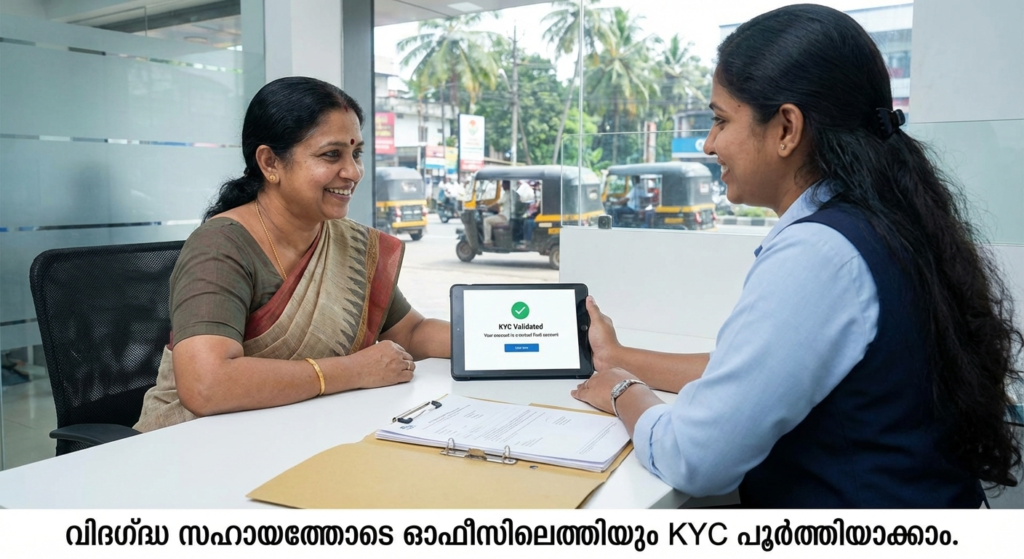
    KYC Validatedഎല്ലാം പെർഫെക്റ്റാണ്! ആധാർ കാർഡും പാൻ കാർഡും കൃത്യമായി ലിങ്ക് ചെയ്തിട്ടുണ്ട്.നിങ്ങൾക്ക് പുതിയ നിക്ഷേപങ്ങൾ തുടങ്ങാം, പണം പിൻവലിക്കാം. പേടിക്കേണ്ടതില്ല.
    KYC Registeredനിങ്ങളുടെ വിവരങ്ങൾ ഉണ്ട്, പക്ഷേ ആധാർ വഴി വീണ്ടും ഒന്ന് ഉറപ്പിക്കേണ്ടതുണ്ട്.പഴയ നിക്ഷേപം തുടരാം, പക്ഷേ പുതിയ ഫണ്ടുകളിൽ നിക്ഷേപിക്കണമെങ്കിൽ വീണ്ടും വാലിഡേഷൻ വേണം.
    KYC On-Holdഎന്തോ ഒരു പ്രശ്നമുണ്ട്. ഒന്നുകിൽ ഫോൺ നമ്പർ തെറ്റാണ് അല്ലെങ്കിൽ രേഖകൾ അപൂർണ്ണമാണ്.ഉടനെ തന്നെ രേഖകൾ പുതുക്കണം. അല്ലെങ്കിൽ നിങ്ങളുടെ നിക്ഷേപം തടസ്സപ്പെടും.

    നിക്ഷേപം തുടങ്ങാൻ എന്തൊക്കെ വേണം? (Checklist)

    നമ്മൾ ഒരു യാത്ര പോകുമ്പോൾ ബാഗിൽ എടുക്കേണ്ട കാര്യങ്ങൾ മറക്കാറില്ലല്ലോ? അതുപോലെ മ്യൂച്വൽ ഫണ്ട് കെ.വൈ.സി ചെയ്യാൻ താഴെ പറയുന്ന കാര്യങ്ങൾ കയ്യിൽ കരുതുക:

    1. പാൻ കാർഡ് (PAN Card): നിക്ഷേപങ്ങളുടെ കാര്യത്തിൽ ഇതാണ് നമ്മുടെ പ്രധാന തിരിച്ചറിയൽ രേഖ.
    2. ആധാർ കാർഡ് (Aadhaar Card): വിലാസം തെളിയിക്കാനായി ഇത് അത്യാവശ്യമാണ്.
    3. ഫോട്ടോ: നിങ്ങളുടെ ഒരു പാസ്പോർട്ട് സൈസ് ഫോട്ടോ.
    4. ഫോൺ നമ്പറും ഇമെയിലും: ആധാറുമായി ലിങ്ക് ചെയ്ത ഫോൺ നമ്പർ തന്നെ നൽകാൻ ശ്രദ്ധിക്കുക.
    5. ഡിജിറ്റൽ സിഗ്നേച്ചർ: ഓൺലൈനായി ചെയ്യുമ്പോൾ വെളുത്ത പേപ്പറിൽ ഒപ്പിട്ട് അത് സ്കാൻ ചെയ്ത് നൽകേണ്ടി വരും.
    kyc from laptop

    കെ.വൈ.സി അപ്‌ഡേറ്റ് ചെയ്യാനുള്ള എളുപ്പവഴികൾ

    ഇതൊക്കെ ചെയ്യാൻ ഇനി ഓഫീസുകൾ കയറി ഇറങ്ങേണ്ട കാലം കഴിഞ്ഞു. വീട്ടിലിരുന്ന് ചായ കുടിച്ചു കൊണ്ട് തന്നെ നമുക്ക് ഇത് ചെയ്യാം.

    • ഓൺലൈൻ വഴി (e-KYC): ഏതെങ്കിലും മ്യൂച്വൽ ഫണ്ട് ഹൗസിന്റെ വെബ്സൈറ്റിലോ കെ.ആർ.എ (KRA – KYC Registration Agency) വെബ്സൈറ്റിലോ കയറി ആധാർ ഉപയോഗിച്ച് ഒടിപി (OTP) വഴി കെ.വൈ.സി പൂർത്തിയാക്കാം. നമ്മുടെ ഫോണിൽ മെസ്സേജ് വരുന്നത് നോക്കി ടൈപ്പ് ചെയ്താൽ മതി, സംഗതി സിമ്പിൾ!
    • ഓഫ്ലൈൻ വഴി: നിങ്ങൾക്ക് നേരിട്ട് പോകാനാണ് താൽപ്പര്യമെങ്കിൽ അപേക്ഷാ ഫോം പൂരിപ്പിച്ച് രേഖകളുടെ കോപ്പികൾ സഹിതം ഏതെങ്കിലും ഇൻവെസ്റ്റ്‌മെന്റ് സെന്ററിലോ മ്യൂച്വൽ ഫണ്ട് ഓഫീസിലോ നൽകാം.

    എന്തുകൊണ്ട് ഇത് ഇപ്പോൾ ചെയ്യണം?

    “പിന്നെ ചെയ്യാം” എന്ന് കരുതി മാറ്റി വെക്കുന്ന ശീലം നമുക്ക് പൊതുവെ ഉണ്ടല്ലോ. എന്നാൽ കെ.വൈ.സി കാര്യത്തിൽ അത് വലിയ പണിയാകും.

    1. SIP മുടങ്ങും: നിങ്ങൾ മാസം തോറും ചെറിയ തുക നിക്ഷേപിക്കുന്ന ആളാണെങ്കിൽ (SIP), കെ.വൈ.സി പ്രശ്നമാണെങ്കിൽ ബാങ്കിൽ നിന്ന് പണം പോകുന്നത് നിൽക്കും.
    2. പണം പിൻവലിക്കാൻ കഴിയില്ല: അത്യാവശ്യ ഘട്ടത്തിൽ മ്യൂച്വൽ ഫണ്ടിൽ നിന്ന് പണം എടുക്കാൻ നോക്കുമ്പോൾ കെ.വൈ.സി തടസ്സമായാൽ അത് വലിയ ബുദ്ധിമുട്ടാകും.
    3. പുതിയ നിക്ഷേപം നടക്കില്ല: നല്ലൊരു അവസരം വരുമ്പോൾ പുതിയ ഫണ്ടുകളിൽ പണം ഇടാൻ നിങ്ങൾക്ക് കഴിയില്ല.

    നമ്മുടെ സമ്പാദ്യം സുരക്ഷിതമായിരിക്കാൻ നിയമപരമായ ഇത്തരം കാര്യങ്ങൾ കൃത്യമായി പാലിക്കേണ്ടതുണ്ട്. സ്കൂൾ ബാഗ് അടുക്കി വെക്കുന്നതുപോലെ തന്നെ പ്രധാനമാണ് നമ്മുടെ നിക്ഷേപ രേഖകളും വൃത്തിയായി സൂക്ഷിക്കുന്നത്. കെ.വൈ.സി സ്റ്റാറ്റസ് ‘Validated’ ആണെന്ന് ഉറപ്പുവരുത്തിയാൽ നിങ്ങൾക്ക് സമാധാനമായി ഉറങ്ങാം.

    ഇതുമായി ബന്ധപ്പെട്ട് നിങ്ങൾക്ക് എന്തെങ്കിലും സംശയങ്ങൾ ഉണ്ടെങ്കിൽ കമന്റ് ചെയ്യുകയോ അല്ലെങ്കിൽ നിങ്ങളുടെ സാമ്പത്തിക ഉപദേശകനോട് ചോദിക്കുകയോ ചെയ്യാം. നിക്ഷേപം തുടങ്ങാൻ ഇനിയും വൈകിക്കരുത്!


    പതിവായി ചോദിക്കുന്ന ചോദ്യങ്ങൾ (FAQ)

    1. ആധാർ ഇല്ലാതെ കെ.വൈ.സി ചെയ്യാൻ പറ്റുമോ?

    പറ്റും, വോട്ടർ ഐഡിയോ പാസ്‌പോർട്ടോ ഒക്കെ ഉപയോഗിക്കാം. പക്ഷേ, ഇപ്പോൾ എല്ലാം ഡിജിറ്റൽ ആയതുകൊണ്ട് ആധാർ ഉപയോഗിക്കുന്നതാണ് ഏറ്റവും എളുപ്പവും വേഗമേറിയതും.

    2. കെ.വൈ.സി ചെയ്യാൻ പണം നൽകണോ?

    ഒരിക്കലുമില്ല! മ്യൂച്വൽ ഫണ്ട് കെ.വൈ.സി തികച്ചും സൗജന്യമാണ്. ഇതിനായി ആരെങ്കിലും പണം ചോദിച്ചാൽ കൊടുക്കരുത്.

    3. പാൻ കാർഡും ആധാറും ലിങ്ക് ചെയ്യേണ്ടത് നിർബന്ധമാണോ?

    അതെ, തീർച്ചയായും! ഇവ രണ്ടും ലിങ്ക് ചെയ്തിട്ടില്ലെങ്കിൽ നിങ്ങളുടെ പാൻ കാർഡ് അസാധുവാകാൻ സാധ്യതയുണ്ട്. അത് നിങ്ങളുടെ നിക്ഷേപത്തെ ബാധിക്കും.

    4. എത്ര ദിവസം കൊണ്ട് കെ.വൈ.സി പൂർത്തിയാകും?

    ഓൺലൈൻ വഴിയാണെങ്കിൽ സാധാരണ 3 മുതൽ 5 പ്രവൃത്തി ദിവസങ്ങൾക്കുള്ളിൽ സ്റ്റാറ്റസ് അപ്ഡേറ്റ് ആകും. ചിലപ്പോൾ അതിലും വേഗത്തിൽ നടന്നേക്കാം.

    5. ഞാൻ നേരത്തെ കെ.വൈ.സി ചെയ്തതാണ്, ഇനി വീണ്ടും ചെയ്യണോ?

    നിങ്ങളുടെ സ്റ്റാറ്റസ് ‘Validated’ ആണെങ്കിൽ വീണ്ടും ചെയ്യേണ്ടതില്ല. എന്നാൽ വിലാസമോ ഫോൺ നമ്പറോ മാറിയിട്ടുണ്ടെങ്കിൽ അത് അപ്ഡേറ്റ് ചെയ്യുന്നത് നല്ലതാണ്.


    നിങ്ങളുടെ നിക്ഷേപ യാത്ര സന്തോഷകരമാകട്ടെ!

  • Why Is KYC Mandatory for Mutual Fund Investors

    Why Is KYC Mandatory for Mutual Fund Investors

    KYC Explained

    If you have ever tried to invest in a mutual fund, buy insurance, or open a bank account, you may have heard the term KYC. Many people find it confusing at first, so let’s break it down in simple English.


    What is KYC?

    KYC stands for Know Your Customer.

    It is a process used by financial institutions (like banks, mutual fund companies, stockbrokers, etc.) to confirm the identity and address of a customer before allowing financial transactions.

    In simple words:

    KYC is like showing your ID card before entering a secured area. It proves that you are a real and genuine person.


    Why Was KYC Created in the First Place?

    Financial systems like banks and mutual funds deal with huge amounts of money. Without proper checks, criminals may misuse the system for illegal activities.

    KYC helps to prevent:

    ✔ Money Laundering (hiding illegal money by making it look legal)
    ✔ Terrorist Financing (funding harmful activities)
    ✔ Identity Theft (someone pretending to be you)
    ✔ Fraud and Financial Scams

    So, KYC protects both the financial institution and the investor.

    KYC DOCUMENTS REQUIRED

    Who Makes KYC Mandatory?

    In India, KYC rules for mutual funds are governed by:

    • SEBI (Securities and Exchange Board of India)
    • AMFI (Association of Mutual Funds in India)

    These authorities ensure that the Indian financial markets remain safe and transparent.


    Why is KYC Mandatory for Mutual Fund Investors?

    Mutual funds allow people to invest money and earn returns. Since money is involved, the system must be safe.

    KYC is mandatory because it helps:

    1. Verify Investor Identity

    Mutual funds must know who is investing. This prevents fraud and protects honest investors.

    2. Track Financial Activities

    If a suspicious transaction happens, authorities can investigate easily.

    3. Protect Investors’ Money

    KYC creates a secure investment environment and reduces chances of misuse.

    4. Follow Government Regulations

    AMCs (Asset Management Companies) must obey SEBI rules. KYC ensures compliance.

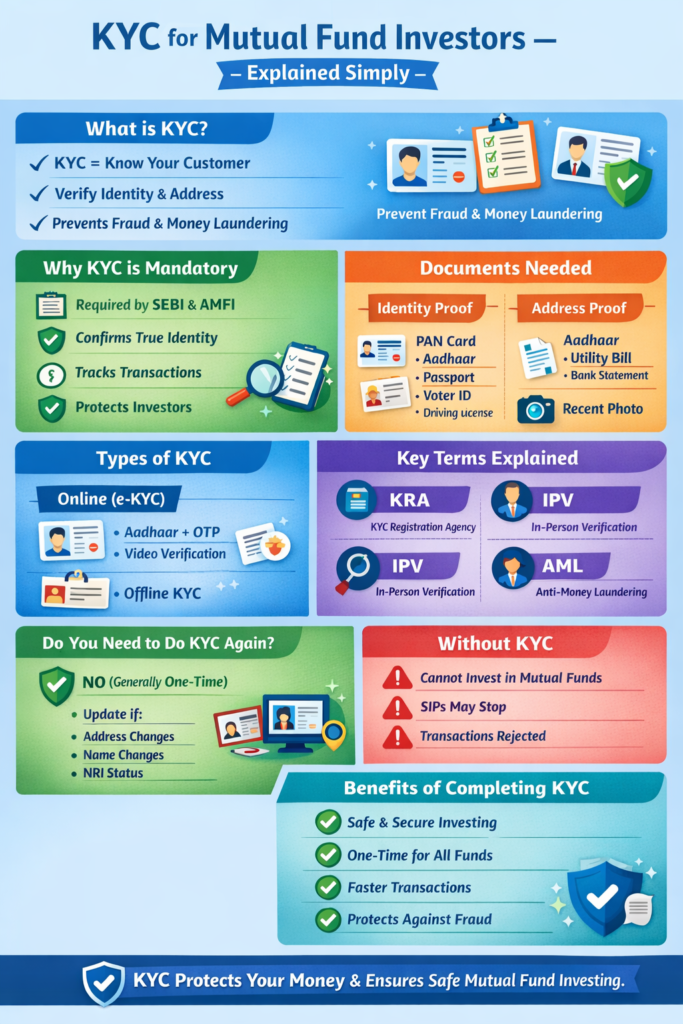
    KYC EXPLAINED IN SIMPLE GRAPHICS

    What Documents Are Needed for KYC?

    To complete KYC, you generally need:

    Proof of Identity (POI) – example:

    • PAN Card
    • Aadhaar Card
    • Passport
    • Voter ID
    • Driving License

    Proof of Address (POA) – example:

    • Aadhaar
    • Passport
    • Driving License
    • Electricity bill
    • Bank statement

    Photograph

    • A recent passport-size photo (physical KYC)
    • Live photo (for online KYC)

    PAN Card is Compulsory

    Because PAN helps track financial transactions in India.


    Types of KYC (Modes of Completion)

    There are mainly two types:

    1. Offline KYC

    • Submit physical documents
    • Sign forms
    • In-person verification may be done

    2. Online KYC (e-KYC)

    • Aadhaar-based verification
    • Paperless and quick
    • Can submit through KRA (KYC Registration Agencies)

    For mutual funds, popular KRAs include:

    • CVL KRA (CDSL Ventures)
    • NDML KRA
    • Karvy KRA
    • DOTEX KRA, etc.

    Understanding Some Complicated Terms

    Here are terms that often confuse investors — explained easily:

    ✔ KRA (KYC Registration Agency)

    A KRA stores and verifies KYC records.
    Once you register KYC with one KRA, it works for all mutual fund companies.

    ✔ IPV (In-Person Verification)

    A simple face-to-face verification process to confirm that the person exists in real life.
    In online KYC, this may happen through a video call.

    ✔ e-KYC

    Electronic KYC using Aadhaar number and OTP.
    It is fast, digital, and paperless.

    ✔ AML (Anti-Money Laundering)

    Rules made to stop criminals from using financial systems to hide illegal money.

    ✔ FATCA

    A US law that requires financial institutions to report details of investors who are US taxpayers.
    (Needed only if applicable to you)


    Is KYC a One-Time Process?

    Yes, mostly you do KYC only once.

    After successful registration:

    • You can invest in any mutual fund
    • You don’t need to repeat KYC for every AMC

    Sometimes details may need updating if:

    • You change address
    • Your name changes (marriage, legal reasons)
    • You become a Non-Resident Indian (NRI)

    What Happens If You Don’t Do KYC?

    Without KYC, you cannot invest in mutual funds.

    Even if you have existing SIPs, they may be stopped if your KYC becomes invalid due to mismatches or missing details.


    Benefits of Completing KYC

    ✔ Safer and transparent investment
    ✔ One-time setup for all mutual funds
    ✔ Faster transactions and redemptions
    ✔ Protection from fraud and misuse
    ✔ Mandatory legal compliance

    So doing KYC is not just a rule — it’s for your own financial safety.


    Common Myths About KYC

    MythReality
    KYC is riskyNo, it protects your money
    KYC shares my data publiclyNo, data is protected by law
    KYC takes a long timeOnline KYC is quick & simple
    Only big investors need KYCEvery investor needs KYC

    Conclusion

    KYC may feel like paperwork, but it plays a very important role in keeping mutual fund investments safe, legal, and transparent. It protects both the investor and the financial system from fraud and misuse.

    Whether you are a new investor or experienced, understanding KYC helps you invest with confidence.


    Final Takeaway in One Line:

    KYC exists to protect your money and ensure safe investing — that’s why it is mandatory.

  • FATCA and CRS Declaration Explained: What Investors Need to Know

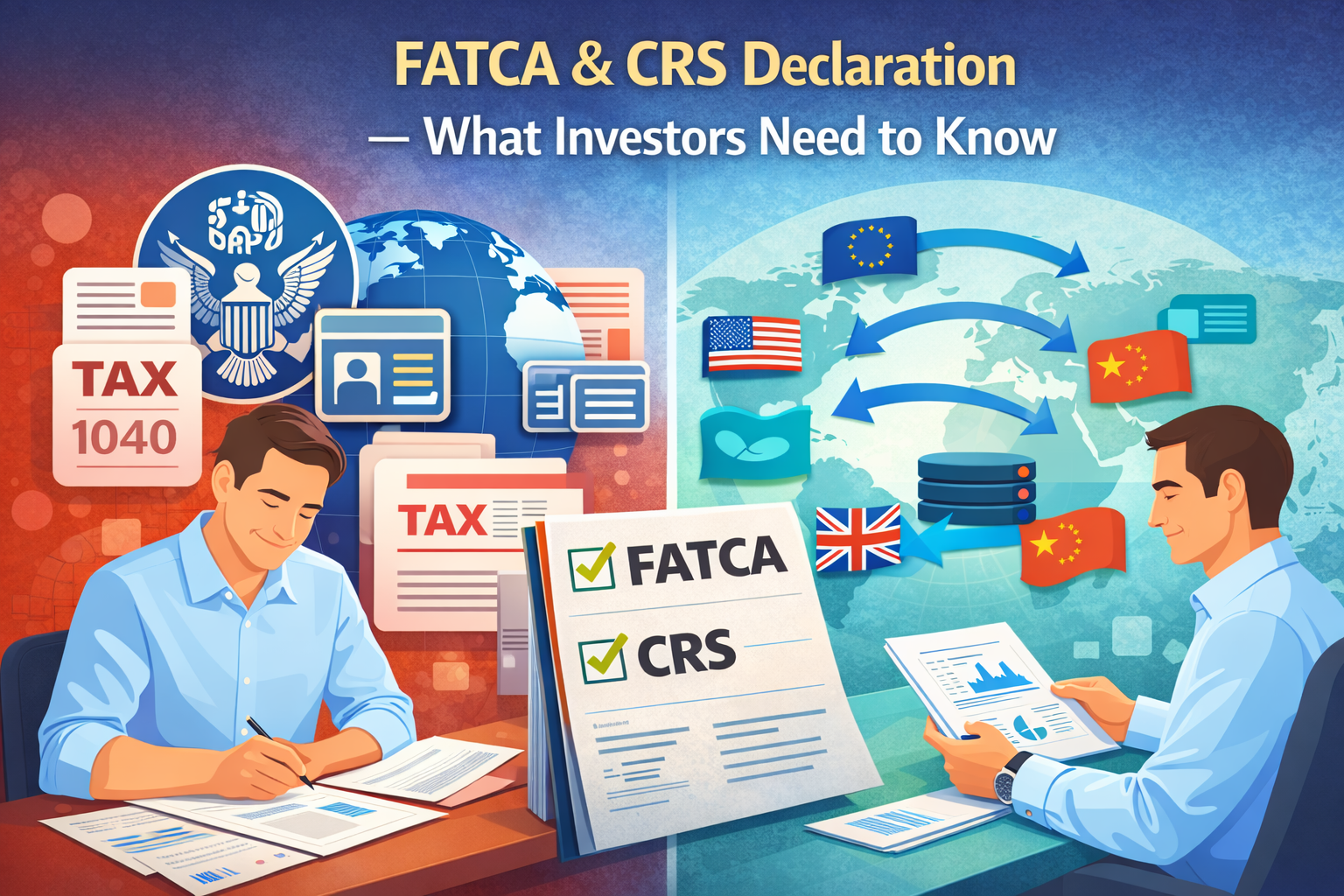
    FATCA and CRS Declaration Explained: What Investors Need to Know

    When investing in mutual funds or other financial products in India, many investors are asked to complete something called a FATCA / CRS declaration. For first-time investors, this can feel confusing or unnecessary, especially when they are already completing KYC formalities.

    In reality, FATCA and CRS declarations are standard global compliance requirements designed to improve financial transparency and prevent tax evasion. This article explains what FATCA and CRS are, why they are required, and what investors need to know before completing the declaration.


    What Is FATCA?

    FATCA stands for Foreign Account Tax Compliance Act. It is a regulation introduced by the United States government to prevent tax evasion by US taxpayers holding financial assets outside the US.

    Under FATCA, financial institutions across the world are required to identify and report accounts held by:

    • US citizens
    • US residents
    • Entities with US ownership

    Indian financial institutions, including mutual fund companies, comply with FATCA requirements as part of global regulatory standards.


    What Is CRS?

    CRS stands for Common Reporting Standard. It is an international framework developed by the OECD (Organisation for Economic Co-operation and Development).

    CRS enables countries to automatically exchange financial information of taxpayers who hold accounts outside their country of residence. India is a participating country under CRS, and financial institutions are required to collect tax residency information from investors.


    Why Is FATCA / CRS Declaration Required?

    FATCA and CRS declarations are mandatory to:

    • Identify an investor’s tax residency
    • Ensure compliance with international tax laws
    • Prevent tax evasion across borders
    • Enable information sharing between tax authorities

    Without a valid FATCA / CRS declaration, investors may not be allowed to invest in mutual funds or other financial products.


    Who Needs to Submit FATCA / CRS Declaration?

    FATCA / CRS declaration is required for:

    • Resident Indian investors
    • Non-Resident Indians (NRIs)
    • Overseas Citizens of India (OCI)
    • Persons of Indian Origin (PIO)
    • Individual investors and entities

    Every investor, regardless of investment amount, must submit this declaration.

    For Non-Resident Indians, FATCA and CRS requirements form an important part of the mutual fund investment process. Understanding how documentation, taxation, and compliance work together can help NRIs invest with greater clarity and confidence.


    What Information Is Collected in FATCA / CRS?

    The declaration typically includes:

    • Country of tax residency
    • Tax Identification Number (TIN), if applicable
    • Citizenship details
    • Place of birth
    • Source of funds
    • Nature of business or occupation

    This information helps determine whether the investor has tax obligations in any other country.


    Is FATCA / CRS Declaration Mandatory for Mutual Funds?

    Yes. FATCA / CRS declaration is mandatory for mutual fund investments in India. Mutual fund houses are required to collect and report this information as part of regulatory compliance.

    If FATCA / CRS details are not provided or are incomplete, investments may be:

    • Rejected
    • Put on hold
    • Restricted from further transactions

    How Often Is FATCA / CRS Required?

    Typically:

    • FATCA / CRS is required once, during initial investment or KYC
    • It must be updated if there is a change in tax residency or personal details

    Investors should ensure that their information remains accurate and updated.


    Is FATCA / CRS the Same as KYC?

    No. FATCA / CRS is separate from KYC, although both are mandatory.

    • KYC verifies identity and address
    • FATCA / CRS verifies tax residency

    Both work together to ensure regulatory compliance.


    Is Investor Information Safe?

    Yes. Financial institutions follow strict data protection and confidentiality standards. Information collected under FATCA / CRS is shared only with authorized regulatory bodies as required by law.


    Common Concerns Among Investors

    Does FATCA / CRS Mean Additional Tax?

    No. FATCA / CRS declaration itself does not create any new tax liability. It is only a reporting requirement.

    Is This Only for NRIs?

    No. FATCA / CRS applies to both resident Indians and NRIs.

    Can I Invest Without FATCA / CRS?

    No. FATCA / CRS declaration is mandatory for mutual fund investments.

    If you are new to mutual fund investing or documentation requirements, you may find answers to many common questions in our Frequently Asked Questions section.


    Why Understanding FATCA / CRS Is Important

    Understanding FATCA / CRS helps investors:

    • Avoid delays in investment processing
    • Ensure compliance with regulations
    • Reduce future documentation issues
    • Invest with confidence and clarity

    Conclusion

    FATCA and CRS declarations are part of a global effort to improve financial transparency and regulatory compliance. While the terminology may sound complex, the purpose is straightforward—to ensure accurate reporting of tax residency.

    By completing FATCA / CRS declarations correctly, investors can ensure smooth and uninterrupted mutual fund investments while staying compliant with international regulations.